
Introduction
Traditional fashion has changed a lot over the years. Today, people love mixing classic outfits with modern accessories to create a stylish and balanced look. One common question many men ask is: can I wear formal shoes with kurta? The simple answer is yes. In fact, pairing formal shoes with kurta outfits has become a popular trend for weddings, parties, office events, and festive occasions.
A kurta is known for its comfort, elegance, and cultural value. Meanwhile, formal shoes add a polished and refined touch to any outfit. When combined correctly, they create a smart fusion style that looks modern yet traditional. However, choosing the wrong shoes can completely ruin the appearance of your outfit. That is why understanding proper styling is important.
Many beginners feel confused about which formal shoes work best with different kurta styles. Some people also wonder whether formal shoes match casual kurtas or only work with fancy outfits. The truth is that the right combination depends on factors such as color, fabric, occasion, and fit.
This complete style guide will help you understand everything about wearing formal shoes with kurta outfits. From choosing the perfect shoe type to avoiding common fashion mistakes, you will learn practical tips that improve your overall appearance. Whether you are dressing for a wedding or a family gathering, this guide will help you create a confident and stylish look.
What is Can I Wear Formal Shoes with Kurta?
The phrase “can I wear formal shoes with kurta” refers to combining traditional South Asian clothing with modern footwear. Instead of wearing traditional sandals or khussa shoes, many people now pair kurtas with formal leather shoes for a cleaner and more fashionable appearance.
This fashion trend has become extremely popular among young men and professionals. It creates a balanced style that respects tradition while adding a modern touch. Formal shoes with kurta combinations are commonly seen at weddings, Eid celebrations, office dinners, engagement functions, and cultural events.
Formal shoes usually include:
- Oxford shoes
- Derby shoes
- Loafers
- Monk strap shoes
- Brogues
These shoes can match different kurta styles depending on the event. For example, loafers work well with semi-formal kurtas, while polished Oxford shoes look excellent with embroidered wedding kurtas.
The success of this style depends on coordination. The color of the shoes, the length of the kurta, and the overall outfit should complement each other. When styled correctly, formal shoes can make a simple kurta look elegant and sophisticated.
Why is Can I Wear Formal Shoes with Kurta Important?
Fashion is not only about clothing. It is also about confidence, personality, and presentation. Wearing formal shoes with kurta is important because it helps create a polished and modern appearance without losing cultural identity.
Here are several reasons why this styling choice matters:
Enhances Overall Appearance
Formal shoes instantly make an outfit look more refined. Even a simple kurta appears stylish when paired with clean and polished footwear.
Creates a Modern Traditional Look
Many people want to combine traditional and contemporary fashion. Formal shoes help achieve this perfect balance.
Suitable for Multiple Occasions
You can wear formal shoes with kurta at weddings, business events, festivals, and family functions. This flexibility makes the combination practical and fashionable.
Improves Confidence
Looking well-dressed often increases confidence. A neat kurta with matching formal shoes creates a strong and impressive presence.
Reflects Personal Style
Fashion choices express personality. Pairing formal shoes with kurta shows creativity and attention to detail.
As fashion trends continue evolving, fusion styling has become more accepted worldwide. That is why understanding how to wear formal shoes with kurta properly is valuable for anyone interested in modern ethnic fashion.
Detailed Step-by-Step Guide
Choose the Right Type of Formal Shoes
Not every formal shoe matches every kurta. Selecting the correct style is the first step.
Oxford Shoes
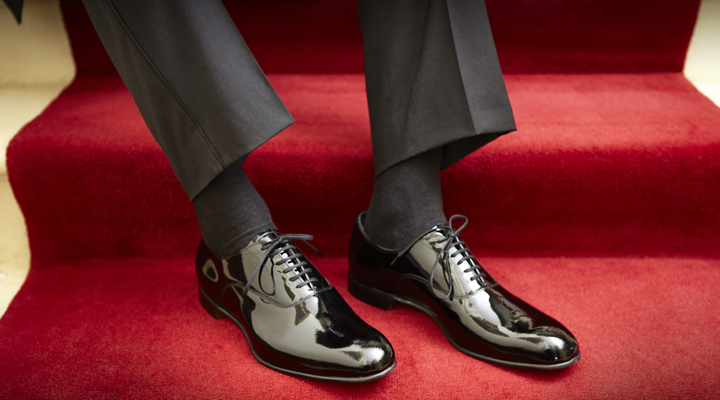
Oxford shoes are sleek and elegant. They work best with wedding kurtas and formal events. Black or dark brown Oxfords pair nicely with darker kurta colors.
Loafers
Loafers are comfortable and stylish. They suit casual and semi-formal kurtas perfectly. Tan loafers are especially popular.
Derby Shoes
Derby shoes offer a slightly relaxed appearance. They work well for office gatherings and dinner events.
Brogues
Brogues feature decorative patterns that add personality. They pair beautifully with plain kurtas.
Match Colors Carefully
Color coordination is extremely important when wearing formal shoes with kurta.
- Black shoes pair well with black, navy, or grey kurtas
- Brown shoes complement beige, cream, olive, and maroon kurtas
- Tan shoes match lighter and pastel shades
- Avoid bright-colored shoes with heavily embroidered kurtas
Neutral shoe colors are usually the safest option.
Consider the Occasion
Different occasions require different styling choices.
Weddings
Choose polished leather shoes with embroidered or silk kurtas. Black or dark brown shoes work best.
Casual Gatherings
Loafers or simple formal shoes pair nicely with cotton kurtas.
Office Events
Minimalist formal shoes with solid-colored kurtas create a professional appearance.
Festivals
Traditional kurtas with slightly modern formal shoes provide a balanced festive look.
Pay Attention to Kurta Length
Kurta length affects the overall appearance of the outfit.
- Knee-length kurtas pair well with most formal shoes
- Very long kurtas may hide the shoes completely
- Short kurtas create a modern and stylish silhouette
Slim-fit pajamas or trousers usually improve the overall balance.
Focus on Fabric Combination
Heavy fabrics require more polished footwear.
- Silk kurtas pair well with shiny leather shoes
- Cotton kurtas match matte loafers
- Linen kurtas work with softer formal styles
Matching texture and formality creates harmony in the outfit.
Keep Shoes Clean and Polished
Dirty shoes can ruin even the most expensive kurta. Always polish leather shoes before wearing them.
- Remove dust regularly
- Use proper shoe polish
- Avoid scratched footwear
- Store shoes properly after use
Clean shoes reflect attention to detail and improve your appearance instantly.
Choose the Right Socks
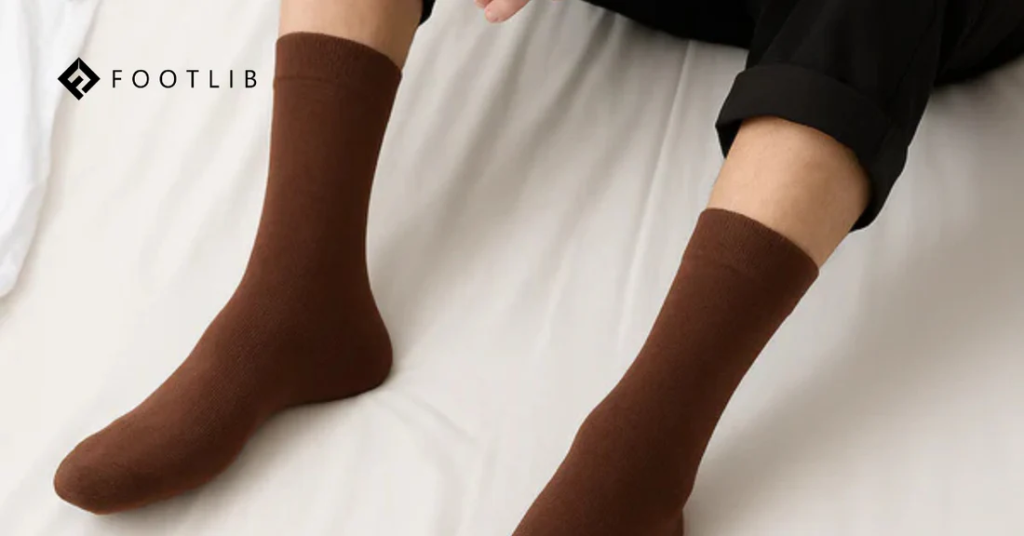
Socks also matter when styling formal shoes with kurta.
- Invisible socks work best with loafers
- Dark socks match formal shoes for evening events
- Avoid colorful or sporty socks
Simple socks maintain elegance and prevent distractions.
Maintain Proper Fit
Both the kurta and shoes should fit properly.
- Tight shoes create discomfort
- Oversized kurtas look untidy
- Slim-fit trousers improve shoe visibility
Balanced proportions make the entire outfit look stylish.
Benefits of Can I Wear Formal Shoes with Kurta
Wearing formal shoes with kurta offers many advantages.
- Creates a modern ethnic fashion look
- Adds sophistication to traditional clothing
- Suitable for formal and semi-formal occasions
- Improves posture and overall appearance
- Allows experimentation with personal style
- Makes simple kurtas appear more elegant
- Works well for younger and older men
- Offers better versatility than traditional footwear
- Provides comfort with the right shoe selection
- Enhances confidence during social events
This combination is practical and fashionable at the same time.
Disadvantages / Risks
Although this style looks attractive, there are some disadvantages and risks to consider.
- Wrong shoe selection may clash with the kurta
- Overly shiny shoes can look distracting
- Poor color matching ruins the outfit balance
- Heavy formal shoes may feel uncomfortable during long events
- Cheap leather shoes may reduce overall elegance
- Some traditional events may prefer ethnic footwear
- Improper fit can create an awkward appearance
- Wearing sporty formal shoes can look mismatched
Understanding these risks helps you avoid fashion mistakes.
Common Mistakes to Avoid
Many people make styling mistakes while wearing formal shoes with kurta. Avoiding these errors can improve your appearance significantly.
Wearing Athletic Shoes Instead of Formal Shoes
Sneakers and sports shoes usually do not complement traditional kurtas during formal events.
Ignoring Color Coordination
Bright shoes with heavily designed kurtas often look unbalanced.
Choosing Oversized Shoes
Large shoes make the outfit appear awkward and reduce elegance.
Wearing Wrinkled Kurtas
Even expensive shoes cannot fix a poorly maintained kurta.
Using Very Pointed Shoes
Extremely pointed shoes may look outdated and exaggerated with traditional clothing.
Mixing Too Many Styles
Avoid combining flashy shoes, embroidered kurtas, and bold accessories together.
Ignoring Occasion Requirements
Formal leather shoes may not suit very casual family gatherings.
Wearing Dirty Shoes
Dusty shoes reduce the entire impact of the outfit.
Simple styling usually creates the best results.
FAQs
1. Can I wear formal shoes with kurta for weddings?
Yes, formal shoes with kurta are an excellent choice for weddings. Polished leather shoes, especially Oxfords and loafers, complement wedding kurtas beautifully.
2. Which formal shoes look best with kurta pajama?
Loafers, Oxford shoes, and Derby shoes are among the best options. The choice depends on the event and kurta style.
3. Can I wear black formal shoes with a white kurta?
Yes, black formal shoes with a white kurta create a clean and sophisticated appearance. This combination works especially well for evening events.
4. Are loafers considered formal shoes for kurtas?
Yes, loafers are a stylish semi-formal option. They are comfortable and pair nicely with modern kurta styles.
5. Should socks be visible with formal shoes and kurta?
Invisible socks are usually preferred, especially with loafers. Visible socks should remain simple and neutral.
6. Can I wear brown shoes with black kurta?
Dark brown shoes can work with black kurtas if styled carefully. However, black shoes usually provide a more polished appearance.
7. Are formal shoes suitable for Eid outfits?
Yes, many people wear formal shoes with kurta during Eid celebrations. The combination creates a fashionable and elegant festive look.
8. Can teenagers wear formal shoes with kurta?
Absolutely. Teenagers often prefer this modern fusion style because it looks trendy while maintaining cultural tradition.
Expert Tips & Bonus Points
Here are some expert styling tips that can improve your overall appearance.
Invest in Quality Shoes
Good leather shoes last longer and look more elegant than cheap alternatives.
Stick to Neutral Colors
Black, brown, and tan shoes match most kurta colors easily.
Use Minimal Accessories
A simple watch or bracelet is enough. Too many accessories may overpower the outfit.
Tailor Your Kurta
Properly fitted kurtas always look more stylish than loose or oversized ones.
Choose Seasonal Fabrics
Light fabrics work better in summer, while silk and heavier materials suit winter weddings.
Experiment Carefully
Try different combinations gradually until you find a style that suits your personality.
Keep Comfort in Mind
Fashion should never sacrifice comfort. Wear shoes that support long hours of walking and standing.
Match Belt and Shoes
If wearing a belt, try matching its color with the shoes for a polished appearance.
These small details create a major difference in overall style.
Conclusion
So, can I wear formal shoes with kurta? Definitely yes. In modern fashion, combining formal shoes with kurta outfits has become a stylish and practical trend. This fusion of traditional and contemporary fashion creates an elegant appearance suitable for weddings, festivals, office dinners, and many other occasions.
The key to achieving the perfect look lies in balance. Choosing the right shoe style, matching colors properly, maintaining clean footwear, and selecting the correct kurta fit all contribute to a polished outfit. Formal shoes such as loafers, Oxfords, and Derby shoes can elevate even a simple kurta when styled correctly.
At the same time, avoiding common mistakes is equally important. Poor color coordination, oversized shoes, or inappropriate styling can negatively affect your appearance. That is why understanding the basics of this fashion combination helps you dress with greater confidence and sophistication.
Fashion trends continue evolving, but comfort and personal style should always remain priorities. Whether you prefer a classic traditional look or a modern ethnic outfit, formal shoes with kurta can help you stand out in a refined and tasteful way.
With the tips and guidance shared in this article, you can now confidently experiment with different combinations and create a stylish appearance for any occasion.