
Introduction
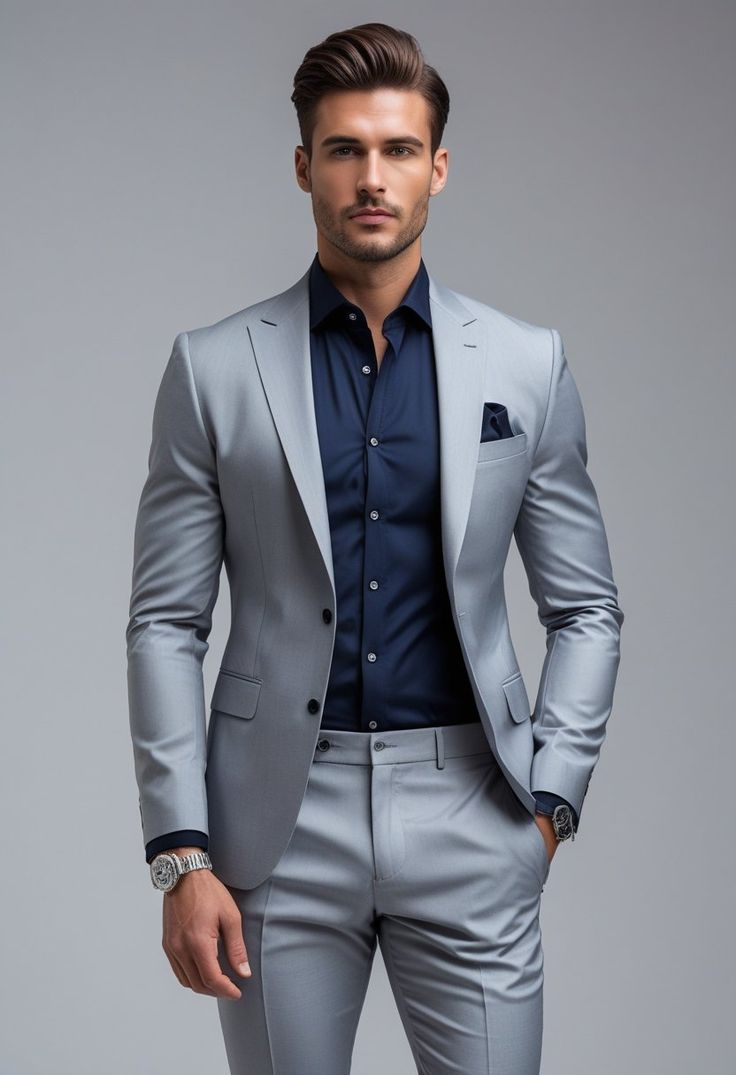
Men’s formal clothing plays an important role in creating a strong first impression. Whether you are attending a business meeting, a wedding, a job interview, or a formal event, the right outfit can boost your confidence and improve your overall appearance. Formal wear is not only about looking good; it also reflects professionalism, respect, and attention to detail.
Over the years, men’s formal clothing has evolved to combine classic elegance with modern fashion trends. Today, men have many options when it comes to choosing suits, dress shirts, ties, shoes, and accessories. Understanding how to select and style these pieces correctly can help you create a polished and sophisticated look.
This guide covers everything you need to know about men’s formal clothing, from the basics to advanced styling tips. Whether you are a beginner building your first formal wardrobe or someone looking to improve your style, this article will help you make informed choices.
What Is Men’s Formal Clothing?
Men’s formal clothing refers to attire designed for professional, business, and special occasions. It usually includes structured garments that create a neat and refined appearance.
Common elements of men’s formal clothing include:
- Formal suits
- Dress shirts
- Ties and bow ties
- Formal trousers
- Dress shoes
- Blazers and waistcoats
- Professional accessories
The goal of formal clothing is to present a clean, elegant, and professional image suitable for important occasions.
Why Is Men’s Formal Clothing Important?
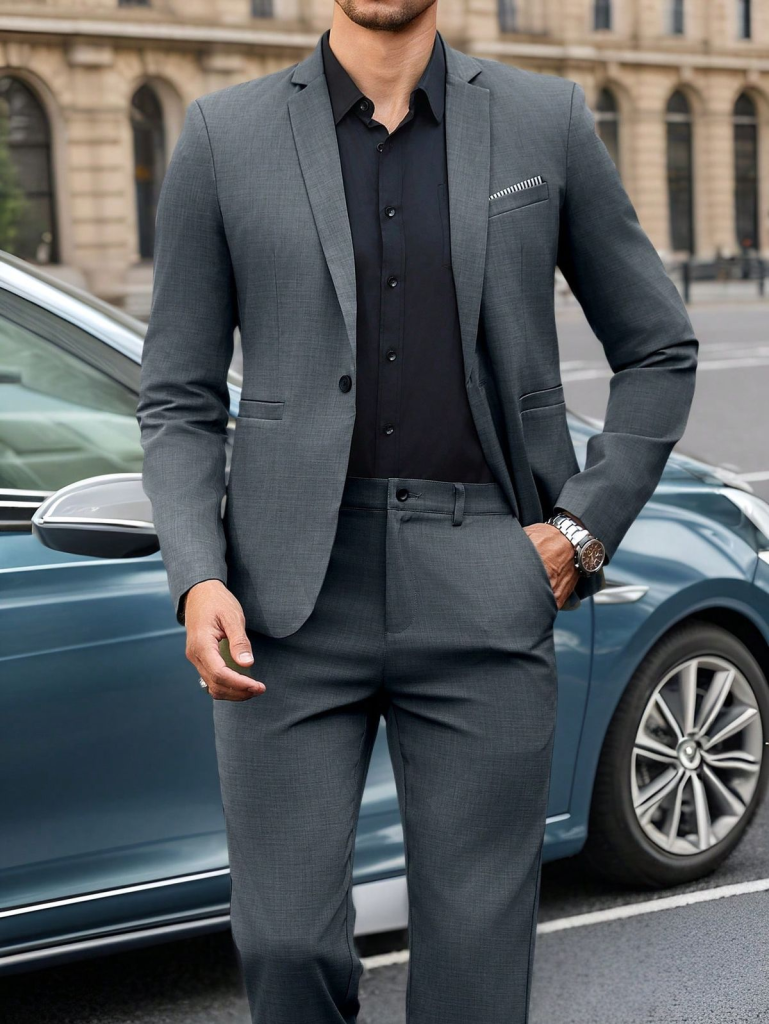
Formal clothing offers several advantages beyond appearance.
- Creates a positive first impression
- Enhances professional credibility
- Boosts self-confidence
- Demonstrates respect for the occasion
- Improves personal style and grooming standards
People often judge professionalism based on appearance, making formal clothing a valuable investment.
Detailed Step-by-Step Guide
Step 1: Choose the Right Suit
Select a suit that fits your body shape properly. Popular colors include navy blue, charcoal gray, and black.
Step 2: Select a Quality Dress Shirt
White and light blue shirts are versatile choices that pair well with most suits.
Step 3: Match Your Tie Correctly
Choose ties that complement your suit and shirt without overwhelming the overall look.
Step 4: Wear Proper Formal Shoes
Oxford and Derby shoes remain the most popular options for formal occasions.
Step 5: Add Accessories Carefully
Use accessories such as watches, cufflinks, belts, and pocket squares to enhance your appearance without overdoing it.
Benefits of Men’s Formal Clothing
- Professional appearance
- Increased confidence
- Better first impressions
- Versatile wardrobe options
- Suitable for multiple occasions
- Timeless style
- Enhanced personal branding
Disadvantages and Risks
- Higher cost compared to casual clothing
- Requires regular maintenance
- Proper fitting may need tailoring
- Some formal outfits can feel restrictive
- Quality garments may require a larger investment
Common Mistakes to Avoid
- Wearing poorly fitted suits
- Choosing the wrong shoe color
- Using too many accessories
- Ignoring grooming and personal hygiene
- Wearing wrinkled clothing
- Mixing formal and casual items incorrectly
- Selecting overly bright colors for professional settings
FAQs
What is the best color for a first formal suit?
Navy blue is often considered the best option because it is versatile and suitable for many occasions.
How many formal shirts should a man own?
A beginner should have at least three to five quality dress shirts in neutral colors.
Are black shoes always required?
Not always. Brown shoes work well with navy and gray suits, while black shoes are ideal for black and charcoal suits.
How should a suit fit?
A suit should fit comfortably around the shoulders, chest, and waist without appearing too tight or too loose.
Can formal clothing be worn daily?
Yes. Many professionals wear formal clothing regularly in corporate environments.
How often should formal clothing be cleaned?
Cleaning frequency depends on usage. Most suits should be dry-cleaned only when necessary to maintain fabric quality.
Expert Tips and Bonus Points
- Invest in tailoring for the perfect fit.
- Focus on quality over quantity.
- Build a wardrobe around classic colors.
- Keep shoes polished and clean.
- Learn basic color coordination.
- Store suits properly to maintain their shape.
- Rotate clothing to increase durability.
Conclusion
Men’s formal clothing remains one of the most effective ways to present a professional and stylish image. From business meetings and interviews to weddings and formal gatherings, the right attire helps create confidence and leaves a lasting impression. Building a strong formal wardrobe does not require dozens of expensive outfits. Instead, focus on well-fitted suits, quality shirts, polished shoes, and carefully selected accessories.
Understanding the fundamentals of men’s formal clothing allows you to dress appropriately for any occasion while expressing your personal style. Paying attention to fit, fabric quality, color coordination, and grooming can significantly improve your overall appearance. Small details often make the biggest difference when it comes to formal fashion.
As fashion trends continue to evolve, classic formal wear remains timeless. Investing in versatile pieces ensures that your wardrobe stays relevant for years. By following the tips and recommendations in this guide, you can create a polished look that reflects professionalism, confidence, and sophistication in every setting.