
What Is Hijab Aesthetic?
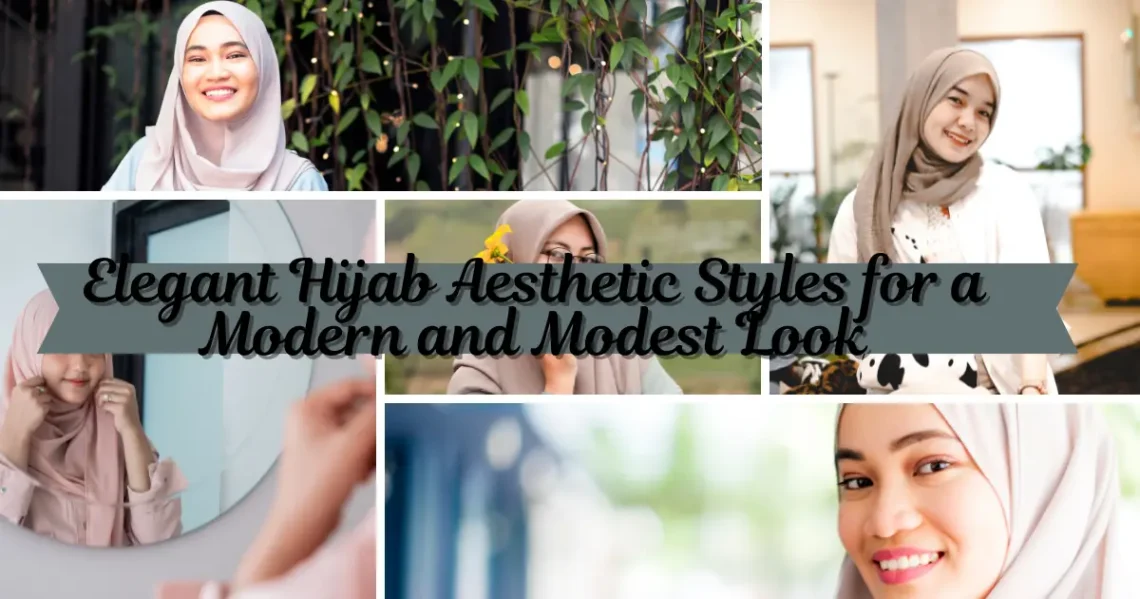
There’s something quietly powerful about the way a person wears their hijab—it’s not just a piece of fabric, it’s a mood, a message, and a mirror into who they are. The term “hijab aesthetic” might sound trendy, even a little abstract, but at its core, it’s about finding beauty and identity in modesty. It’s not a one-size-fits-all look. It can be flowy and feminine, sharp and structured, or soft and poetic. The hijab aesthetic blends personal style with values, and that balance creates something truly unique.
Over the years, hijab fashion has evolved from purely functional to something expressive. Think of it like a canvas—you’re not changing its purpose, but you’re adding colors, textures, and emotions to how it’s presented. Whether someone gravitates toward minimalist outfits in neutral tones or leans into bright prints and bold accessories, the aesthetic is defined by how it’s worn, not just what is worn.
For many, it’s also about reclaiming narratives—choosing to be visible and stylish, rather than hidden or voiceless. The hijab aesthetic lets you speak without saying a word. It tells people: This is me. And I’m not compromising who I am to look beautiful.
It’s not about trends or labels, really. It’s about presence. Aesthetic doesn’t mean you always get it “right”—some days you throw on something that doesn’t quite match, and that’s okay. Other days, everything clicks. The joy is in the play, the experimentation, the quiet confidence that grows when you see yourself reflected back and think, Yes, this feels like me.
Understanding the Concept Beyond the Cloth
When we talk about hijab, most people picture a scarf wrapped around the head. But honestly, it’s so much more than that. The hijab isn’t just fabric—it’s part of a lifestyle, a set of values, and often, a deeply personal journey. The “aesthetic” side of hijab doesn’t just refer to how it looks, but how it feels—how it blends with someone’s personality, their sense of self, and the way they carry themselves in the world.
Beyond the cloth, hijab is about intention. For many women, it’s a symbol of faith and spiritual grounding. For others, it’s a way to reclaim identity and pride in cultures that have often been misunderstood or misrepresented. When you look at it this way, the hijab becomes a statement—sometimes loud, sometimes subtle, but always significant.
The aesthetic part comes in when we begin to shape how we express that intention outwardly. Someone might prefer soft drapes, muted colors, and a poetic, feminine vibe. Another might choose structured silhouettes, striking monochromes, or even mix vintage with modern. All of these choices are ways to communicate—without words—who we are and what we value.
It’s important not to confuse hijab aesthetic with superficial fashion. It’s not about trying to look “trendy” or fit into someone else’s mold. It’s about owning modesty, living in it, and sometimes—yes—even struggling with it. And in that struggle, there’s beauty too.
Because the truth is, this isn’t just style—it’s story. It’s a reflection of everything going on inside: the peace, the rebellion, the questions, the clarity. So when someone wraps that scarf a certain way or pairs it with that outfit—it’s not random. It’s intentional. It’s her.
How Aesthetics and Modesty Can Coexist
It’s a question many people quietly ask—can you really look beautiful and stay modest at the same time? The answer is… yes, absolutely. But it’s not always as simple as just putting on a “nice outfit.” The coexistence of aesthetics and modesty is more of a dance—a balancing act where your inner values meet your outer expression.
Aesthetics, in this sense, is about visual harmony. Think silhouettes that flow, colors that soothe or spark, textures that add subtle flair without shouting. Modesty, on the other hand, is rooted in intention—covering with dignity, carrying yourself with purpose, and avoiding the kind of exposure that seeks attention for the wrong reasons.
Here’s where things get interesting: when you start blending the two, you unlock something quietly powerful. A long trench coat in a dusty rose hue, paired with a loosely wrapped chiffon hijab and clean sneakers—it’s modest, yes, but it also tells a story. It says, “I pay attention to how I look, but I don’t need to reveal everything to be seen.”
This harmony doesn’t mean hiding or dulling yourself down. It means showing up with presence. Sometimes, it means layering an outfit until it feels right, even if it’s a little warmer outside. Other times, it’s walking away from a trend because it doesn’t align with your values—even if it looks good.
Truthfully? Some days you’ll feel like you nailed the balance. Other days, not so much. That’s okay. The journey to finding your hijab aesthetic is deeply personal and rarely perfect. But when you strike that balance—when your look feels like you and also feels right—there’s a quiet kind of beauty in that. A beauty that doesn’t beg to be seen, but is impossible to ignore.
Popular Hijab Aesthetic Styles
Hijab style isn’t just about wrapping techniques—it’s a whole vibe. Over time, modest fashion has blossomed into a diverse world of aesthetics, and each one carries its own charm. What’s beautiful is that there’s no single way to “do it right.” Your hijab style can be moody and minimal one day, soft and romantic the next. It shifts with your mood, your day, your growth. That’s the magic.
Some of the most loved hijab aesthetics reflect not just current fashion trends but the deeper personality behind them. There’s the clean, minimalist look with neutrals and sharp lines—perfect for someone who likes simplicity and structure. Then there’s the cozy-soft aesthetic—layered pastels, gentle drapes, flowy dresses—that feels like a warm breath on a quiet morning.
Others gravitate toward bold, edgy street styles: oversized hoodies, combat boots, angular sunglasses paired with a sleek hijab wrap. It’s modest, yes, but also unapologetically expressive. And we can’t forget vintage-inspired hijabis who love puffed sleeves, retro prints, and structured bags—bringing old-world charm into modern modest fashion.
These styles aren’t just about “looking nice.” They’re about claiming space. About being able to say, “This is who I am. This is how I choose to show up.” What’s also heartwarming is how these aesthetics build community—you start recognizing others who share your vibe, your fashion language. It creates unspoken connection.
The beautiful truth is, your hijab aesthetic doesn’t need to stay in one box. Let it evolve. Let it surprise you. Whether you’re dressing up for an event or just running errands, every outfit becomes a quiet reminder: you can be modest, and still be you. Every thread, every layer, every drape—it all tells your story, one day at a time
Minimalist and Neutral Tones
There’s something quietly powerful about a neutral-toned hijab look. It doesn’t scream for attention—and that’s exactly what makes it so captivating. The minimalist hijab aesthetic is all about embracing simplicity, clean lines, and understated tones like beige, taupe, white, olive, black, or soft greys. It’s not just a fashion choice—it’s a mood, a lifestyle, and honestly, a breath of fresh air in a world that can sometimes feel overwhelmingly loud.
For those who are drawn to calm and clarity, neutral outfits create a sense of balance. You don’t need bright colors to make a statement. In fact, the beauty of minimalism lies in its quiet confidence. A neatly wrapped cotton hijab in cream, paired with wide-leg trousers and a structured blazer in off-white, can say more about you than a sequin-covered gown ever could.
Minimalist hijab styling often leans into quality over quantity. Fewer pieces, better fabrics, and timeless cuts that never feel outdated. It’s a style that respects modesty while also respecting the need for ease. No unnecessary layers, no fussy details—just clean, elegant silhouettes that work for both everyday wear and professional settings.
The neutral palette also makes mixing and matching a breeze. Everything just goes together. And that’s where the ease comes in—you can get dressed without overthinking, and still look like you have your life together (even if your room says otherwise).
But let’s be honest—sometimes the minimalist look can feel “too plain.” That’s okay. Add texture with a ribbed cardigan, or contrast tones with white on camel. Small tweaks keep it interesting without losing the calm vibe. Because that’s what minimalism is really about: not emptiness, but intentionality. You’re not just dressing down—you’re dressing with purpose.
Soft and Feminine Looks (Pastels, Florals, Flowy Fabrics)
If your heart skips a beat at the sight of soft blush tones, flowy skirts, and delicate florals—this one’s for you. The soft and feminine hijab aesthetic feels like a love letter to tenderness. It’s gentle, romantic, and expressive in a way that whispers rather than shouts. You’re not just dressing to look pretty; you’re dressing to feel like yourself on a day when your soul needs gentleness.
This aesthetic thrives on pastels—think dusty rose, lilac, baby blue, sage green—and fabrics that dance with movement. Chiffon hijabs, pleated skirts, bell sleeves, and light layering define the look. It’s the kind of outfit that makes you want to walk slower, sip tea by the window, and maybe write poetry in your journal (even if you don’t usually write).
Floral prints are a staple here—not the loud, flashy kind, but dainty patterns that feel timeless. They add that little “something extra” without overwhelming the look. Paired with a soft hijab drape and maybe a pearl clip or a minimal pendant necklace, it all comes together like a gentle hug.
And even though it’s feminine, it’s not fragile. That’s the beauty of it. This aesthetic allows you to be strong and soft at the same time. It’s modest, elegant, and quietly confident. It’s for the days you want to feel beautiful in a way that’s deeply personal—not for attention, but for self-love.
The only challenge? It’s easy to feel too “dressed up” for casual settings. But the trick is in the details: swap the maxi dress for a midi and pair it with sneakers. Or throw a soft cardigan over a basic dress. You can bring softness into your everyday style without sacrificing comfort. Because femininity, in this aesthetic, is not about perfection—it’s about grace.
Edgy Street Style with Hijab
Now let’s flip the script. If soft pastels aren’t your thing and you lean more into bold choices, the edgy street-style hijab aesthetic might feel like home. This look is for the ones who like to blend modesty with attitude. Think oversized jackets, chunky boots, wide-leg cargo pants, and sleek hijab wraps that say: “Yes, I’m covered. And I’m cool—effortlessly.”
This aesthetic is all about contrast. You’ll often see darker tones—black, charcoal, army green, deep burgundy—paired with structured shapes or streetwear staples like hoodies, denim jackets, and boxy cuts. The hijab is usually styled tight and clean, often in jersey or cotton, tucked in neatly to let the rest of the outfit carry the statement.
There’s often a subtle toughness to the look, but it’s never harsh. It’s more about confidence, about showing up with unapologetic energy. This style says, “I know who I am—and I’m not afraid to take up space.”
Accessories play a big part too. Statement sunglasses, leather backpacks, dad sneakers, bold caps worn over the hijab… it’s all fair game. Even the way someone wears eyeliner or layers silver jewelry becomes part of the vibe. And let’s not forget the role of attitude—it’s the final layer of the look, and maybe the most important one.
Some days, people might not “get” it. The mix of modesty and edge throws off expectations. But that’s the point. Street-style hijabis aren’t trying to fit a mold—they’re building their own lane.
The best part? It’s functional. It moves with you, works for city life, and doesn’t demand a full outfit change between coffee and class. Whether you’re walking fast through crowds or standing still in your truth—this aesthetic walks with you, strong and unapologetically grounded.
Vintage-Inspired Hijab Fashion
There’s a certain charm to vintage that never goes out of style. It’s like wearing a little piece of history, softened by nostalgia and made personal through modern touches. For hijabis who love the elegance of the past, vintage-inspired hijab fashion is a dream come true. Think high collars, puffed sleeves, long pleated skirts, delicate prints, and structured handbags—all wrapped up with a graceful hijab that ties the look together.
This aesthetic draws from different decades, depending on your mood. Some days might channel 1950s elegance with tea-length dresses and pastel gloves. Other days, it might be a 1970s boho vibe with flared pants, round sunglasses, and embroidered blouses. The key is in the details: lace trims, buttons, bows, delicate brooches—tiny things that make a big difference.
The hijab itself becomes part of the vintage mood. Many vintage-loving hijabis style their scarves in a more “tucked in” or wrapped-under-chin look, giving soft, classic lines that complement retro-inspired outfits. Patterns like polka dots, tiny florals, or muted checks are often chosen over plain solids.
What’s beautiful about this aesthetic is how gentle and intentional it feels. It’s not about being trendy—it’s about being timeless. It’s for those who romanticize life a little… who love handwritten notes, old books, and classic films. It’s modesty with a whisper of elegance, a look that feels like a warm memory wrapped in fabric.
Of course, the hunt for vintage-inspired pieces can take effort—thrifting, customizing, mixing old with new. But maybe that’s part of the fun. When you find that perfect puff-sleeve blouse or midi skirt that just fits your vibe, it feels like a small victory.
Because dressing vintage as a hijabi isn’t just about aesthetics. It’s about embracing your roots, your values, and your imagination—all at once
Choosing the Right Hijab Fabrics for Your Aesthetic
Hijab fabric might seem like a minor detail—but anyone who wears one regularly knows it can make or break your entire look. The way your hijab falls, flows, grips, or drapes totally affects your aesthetic. Whether you’re going for clean minimalism, soft romance, or bold streetwear, choosing the right material is essential.
Start with this: your hijab should feel like you. If you find yourself constantly adjusting it or feeling uncomfortable, something’s off—even if it “looks good” in the mirror. Certain fabrics work better for some aesthetics, while others are just a mismatch waiting to happen.
For a polished and structured look—maybe something more minimal or professional—jersey and cotton are your best friends. They offer grip, especially for those who don’t like using pins, and they create those clean, no-fuss lines that say, “I’ve got things under control.”
On the other hand, if you lean into elegance or romantic styles, chiffon and silk have that soft, airy vibe that makes you feel like you’re walking through a dream. Chiffon is lighter, flowy, and looks effortlessly graceful. But—real talk—it can be a little slippery, so layering with an undercap or using pins becomes part of the game.
For cozy, laid-back vibes, especially during colder months, try viscose or modal. They’re breathable, warm, and still look elevated enough to carry your aesthetic without being too formal.
The beauty of understanding fabric is that it helps you experiment better. Some days you want your hijab to feel like a gentle breeze, and other days you want it to hold its place through a long day of errands or work.
So yes—fabric matters. Not just for comfort, but for expression. Your hijab isn’t just something you wear. It’s something that works with you, supports your style, and helps you move through the world feeling completely in tune with yourself.
Chiffon for Elegance
There’s something about chiffon that just feels effortlessly graceful. The way it flows, catches light, and moves with you—it’s like wearing a soft breeze. If you’re chasing an elegant hijab aesthetic, chiffon might be your go-to fabric. It has this delicate, floaty vibe that instantly elevates your outfit, even if the rest of it is super simple.
Chiffon hijabs are especially perfect for special occasions—weddings, parties, dinner events—but they can work for everyday wear too if styled right. The fabric is lightweight, slightly sheer, and often gives off a soft shimmer, which adds a dreamy quality to your look. Paired with a satin blouse or a pleated skirt, it creates a look that’s both refined and romantic.
But let’s be real—chiffon can be a little tricky. It’s slippery, and if you’re new to it, you might feel like it just won’t stay in place. That’s where undercaps and pins come in. A soft cotton undercap gives the chiffon something to grip, while a couple of discreet pins keep everything secure without disturbing the flowy drape.
What chiffon does beautifully is drape. It hugs and flows in all the right places, which makes it ideal for those styles where the scarf softly frames the face and falls down in soft layers across the chest or shoulders. If you’re the kind of person who appreciates detail and quiet luxury, chiffon speaks your language.
One small tip? Avoid overly humid days with chiffon—it tends to cling. But on crisp, breezy mornings or cooler evenings, it’s absolutely perfect.
So if elegance is your aesthetic, chiffon might just be your signature. It doesn’t scream, it doesn’t beg for attention—but it leaves an impression. And maybe that’s what true elegance really is.
Jersey for Casual Comfort
Let’s talk about the real MVP of everyday hijab fabrics—jersey. If you’ve ever had one of those mornings where you’re running late, can’t find the right pins, or just want to feel comfortable without sacrificing style, jersey hijabs are your saving grace. They’re soft, stretchy, and they stay put. Honestly, once you try jersey, it’s hard to go back.
What makes jersey fabric special is its versatility. It molds to your head without slipping, meaning you don’t always need an undercap or pins. That alone makes it a top choice for students, moms, working women—basically anyone who doesn’t have the time (or energy) to fuss over their hijab throughout the day.
Style-wise, jersey leans more casual, but it can still look really polished when paired with the right outfit. For a cozy, relaxed aesthetic, match a jersey hijab with a longline cardigan, mom jeans, and clean sneakers. If your vibe is more minimal and modern, go for muted tones—think mocha, charcoal, olive—and pair it with structured pieces like blazers or wide-leg pants.
Because jersey has weight and stretch, it gives a clean, almost sculpted look. It’s great for more fitted styles that frame the face or tuck into tops and jackets. That clean line? It’s effortlessly cool. Also, let’s not forget—jersey is breathable and season-friendly. It keeps you warm in winter and doesn’t suffocate in warmer months.
Of course, it doesn’t have the “floatiness” of chiffon or the luxe shine of satin, so it’s not the first pick for formal events. But for your daily look? Jersey hijabs are like your best friend—they get you through the chaos, make you feel at ease, and never judge your messy bun underneath.
Silk and Satin for Luxe Looks
Silk and satin hijabs? They’re luxury in a scarf. These fabrics are the definition of elegance—smooth, shiny, and stunningly graceful. The moment you wrap a silk or satin hijab, you feel a little different. Like you’re glowing. Like you’ve just stepped into your most put-together, elevated self—even if you’re running on no sleep and dry shampoo.
Let’s be honest, silk and satin aren’t your everyday, running-to-the-grocery-store kind of hijabs (unless that’s your vibe—and if it is, we salute you). These fabrics are often saved for special occasions: weddings, engagement parties, formal dinners, or even Eid gatherings where you want to feel extra. They photograph beautifully and give this luminous, liquid-like effect that softens your whole look.
That said, they are slippery. Like… dangerously so. Without the right pins or a good undercap, silk and satin hijabs can slide around more than you’d like. It takes a little bit of patience—and sometimes a few failed attempts—to get the drape just right. But once you figure it out? Pure magic.
These fabrics pair perfectly with sharp tailoring, elegant abayas, or flowy maxi dresses. If your hijab aesthetic leans toward timeless, regal, or luxe, this fabric will fit right into your world. Go for rich tones—emerald green, deep burgundy, midnight blue—or keep it classic with ivory or black. And yes, metallics like rose gold or champagne are always a showstopper.
One small tip: avoid super humid or sweaty days with these. They don’t breathe well and can feel clingy. But for an indoor, air-conditioned event? Perfect.
In the end, satin and silk aren’t just for looks—they’re for moments. For when you want your outside to reflect the softness, strength, and beauty within.
Color Palettes That Define Your Hijab Aesthetic
Color isn’t just visual—it’s emotional. The shades you reach for say more about you than you might think. In hijab fashion, color plays a huge role in shaping your aesthetic. Whether it’s the warmth of earthy tones, the elegance of monochromes, or the softness of pastels, your color palette becomes part of your identity. It speaks for you, often before you say a word.
Choosing your go-to palette doesn’t have to be complicated—it can start with how you feel. Some people are drawn to soft, soothing tones because they bring calm into their day. Others love bold, high-contrast looks because they want to show up with energy. And then there are those who stick to black. All black. Always. And somehow, it just works. That’s the beauty of it—there’s no right or wrong.
Color palettes also help you create consistency. They allow your wardrobe to mix and match more easily. A wardrobe full of earthy tones—olive, tan, rust, cream—feels grounded and effortlessly cohesive. A monochrome collection—grays, whites, blacks—leans chic, modern, maybe even a little mysterious. And pastels? They give off lightness, grace, and gentle femininity.
But here’s the secret: your aesthetic doesn’t have to be boxed into just one palette. You can shift. Your colors can evolve with seasons, with moods, with milestones. Maybe you wear soft tones during Ramzan, neutrals to work, and bold colors on the weekend. That doesn’t make your aesthetic inconsistent—it makes it alive.
So when you’re thinking about your hijab aesthetic, don’t just ask what’s “on trend.” Ask yourself what feels good on your skin, what color reflects your mood, what shade you reach for when you want to feel like your best self. Your color palette is your silent poetry—don’t be afraid to write in all the shades you love.
Hijab Styling Tips to Elevate Your Look
Sometimes it’s not about what you wear, but how you wear it. You could have the simplest outfit in the room, but if your hijab is styled with intention, confidence, and a little creativity—it changes everything. Styling your hijab isn’t just about trends or tutorials; it’s about discovering what makes you feel most at ease, most expressive, most you.
Let’s be honest, hijab styling can feel overwhelming at first. There are so many techniques out there—Turkish styles, turban wraps, flowy drapes, slick and tucked… and each one can create a completely different aesthetic. The key? Don’t force yourself to copy someone else’s style just because it’s popular. Try things. Experiment. And most importantly—pay attention to how you feel when you look in the mirror.
Good hijab styling should support your lifestyle, your face shape, and your vibe. It should feel secure without being stiff, graceful without being fussy. Even little things—like folding one side longer, tucking it under a collar, or leaving one end loose—can shift your entire look from casual to elegant or sporty to serene.
It’s also worth mentioning: some days, no style works. The scarf won’t sit right, the undercap keeps slipping, the mirror’s just not vibing with you. That’s normal. We’ve all had those days. The trick is not to fight it too hard—pull out your go-to “safe” style and move on with your day. Grace, after all, isn’t in perfection—it’s in ease.
So whether you’re dressing up for a big day or just heading out for errands, your hijab styling is your finishing touch. Not an obligation, but an opportunity. It’s the quiet detail that tells the world you showed up with care.
Social Media Influence on Hijab Aesthetic
Whether we admit it or not, social media plays a huge role in shaping how we see fashion—and hijab aesthetics are no exception. Platforms like Instagram, TikTok, and Pinterest have opened up a whole new world of modest style inspiration. Suddenly, hijabis from different cultures, cities, and backgrounds are sharing their looks, their styling tips, and even their personal journeys. And it’s changing the game.
A few years ago, if you wanted hijab fashion ideas, you probably had to rely on local stores or word of mouth. Now? You scroll. You screenshot. You save. You build mood boards from people you’ve never met but feel weirdly connected to. And that’s kind of beautiful. Social media hasn’t just influenced hijab aesthetics—it’s helped define them.
Influencers play a major role here. Some have turned their styling into full careers, collaborating with brands and creating collections that reflect their vision of modest fashion. But it’s not just about “fame.” It’s about representation. Seeing someone who looks like you—who dresses like you, who chooses modesty with pride—can be incredibly validating. It tells young girls, “You’re seen. You’re stylish. You belong.”
But let’s be real—there’s a flip side too. Social media can sometimes make hijab fashion feel performative. The pressure to always look flawless, curated, and camera-ready can be exhausting. It’s easy to forget that behind the pretty photos are real women with messy rooms, imperfect days, and scarves that just won’t stay put.
So yes, social media inspires us. It gives us ideas, community, and confidence. But the real aesthetic? It’s not in the posts. It’s in the quiet moments when you’re getting dressed for yourself, not your followers. And if you can hold onto that truth—social media becomes a tool, not a mirror.
Finding Your Personal Hijab Aesthetic
Here’s the thing: hijab fashion isn’t one-size-fits-all. Your aesthetic—your true, personal hijab style—isn’t something you’ll find on a Pinterest board. Sure, you might get inspiration from there (and that’s great!), but your real hijab aesthetic? It’s something you slowly uncover. Like trying on pieces of yourself until something finally feels like home.
This is where it gets personal. Your hijab aesthetic isn’t just about what’s flattering—it’s about what feels right. What matches your values, your energy, your culture, your comfort level. It’s about the look that lets you walk into a room and feel quietly powerful, not because everyone’s staring, but because you feel aligned.
You don’t have to stick to one “look,” either. You might feel drawn to soft, romantic florals today and edgy monochrome tomorrow. That doesn’t make you inconsistent—it makes you real. We grow, and so does our style. Your hijab aesthetic can be fluid, evolving with your experiences, your seasons of life, and even your inner healing.
And yes, it’s okay to get it “wrong” sometimes. To wear something and not feel like yourself. That’s part of the process. The trial and error. The learning. Eventually, you’ll start to recognize what colors lift your mood, which drapes make you feel confident, and what silhouettes feel like they were made for you.
This journey is yours. It’s not about impressing others or fitting into someone else’s box of what modest fashion should look like. It’s about finding peace in your presence. Wearing your faith, your taste, your story—layered one outfit at a time.
So give yourself grace. Experiment. Mix things up. Ask yourself, “Does this feel like me?” If the answer is yes—even quietly—then you’re already on the right path.
Conclusion
Hijab aesthetic is so much more than what meets the eye. It’s a blend of values, creativity, emotion, and self-expression. It’s not just about how you style your scarf—it’s about how you carry yourself, how you choose to exist in a world that often misunderstands modesty, and how you find beauty in being true to who you are.
What’s amazing is that there’s no single definition. For some, it’s clean lines and quiet neutrals. For others, it’s florals, flowy dresses, or structured streetwear. Your hijab aesthetic doesn’t have to match anyone else’s—and that’s the point. It’s personal. It’s flexible. It evolves with you.
Through all the fabrics, the colors, the styling tricks, and the social media trends, one truth remains: your hijab is yours. It’s your story, your identity, your choice. And it should always feel like a reflection of what matters to you, not what someone else expects.
Some days you’ll feel put-together and glowing. Other days, you’ll wrap it three times and still feel off. That’s okay. This journey isn’t about perfection—it’s about connection. With yourself. With your values. With the world, on your own terms.
So whether you’re just starting to explore your hijab aesthetic or you’ve already found your signature style, give yourself space to grow, change, and experiment. Be playful. Be bold. Be subtle. Be honest. Just—be you.
Because in the end, the most beautiful hijab aesthetic isn’t the one that gets the most likes. It’s the one that feels like home.
FAQs: Hijab Aesthetic
Q1: What does “hijab aesthetic” actually mean?
A:“Hijab aesthetic” isn’t a strict fashion rulebook—it’s more like a personal vibe. It’s the unique way someone styles their hijab and outfits in a way that reflects their mood, personality, culture, and modesty preferences. Some prefer soft and romantic, others go for bold and minimal. It’s all about what feels like you.
Q2: Do I need to follow trends to have a hijab aesthetic?
A:Not at all. Trends can be fun to try, but they’re not a requirement. Your hijab aesthetic can include trends, or it can completely ignore them. It’s less about “what’s in” and more about what resonates with you. Think of it as curating your own lookbook, based on how you want to feel—not what others are wearing.
Q3: Can I still have a hijab aesthetic with a simple style?
A:Yes, yes, and yes. Simplicity is an aesthetic. A clean, minimal look can be just as expressive and powerful as a layered, colorful one. It’s all about intention. Even a plain black scarf can become iconic when worn with confidence and care.
Q4: How do I find my own hijab style?
A:Start small. Save outfit photos that make you feel something. Try different fabrics, colors, and draping styles. Pay attention to what makes you feel most like yourself. And don’t stress if your style keeps changing—it’s supposed to. That’s part of the journey.
Q5: What if I feel pressure to look “perfect” on social media?
A:You’re not alone. Social media often shows the highlight reel, not the full story. It’s okay to admire others—but don’t compare your behind-the-scenes to someone else’s curated grid. Your hijab journey is valid, even on the messy, no-makeup days.