
Understanding Kerala Muslim Dress Culture
When we think about the essence of Kerala Muslim attire, we’re not just talking about clothes—we’re talking about identity, tradition, and the beautiful blend of culture and faith. The style is a graceful combination of Kerala’s coastal heritage and the modest sensibilities of Islamic tradition, creating something that feels both rooted and refined.
For many, Kerala Muslim dress isn’t just about covering—it’s about expressing oneself through elegance and subtle beauty. What makes it unique is how it balances modesty with comfort, especially considering Kerala’s humid, tropical climate. You’ll see airy fabrics, light embroidery, and a soft, flowing structure to most outfits. Nothing too flashy, yet deeply captivating.
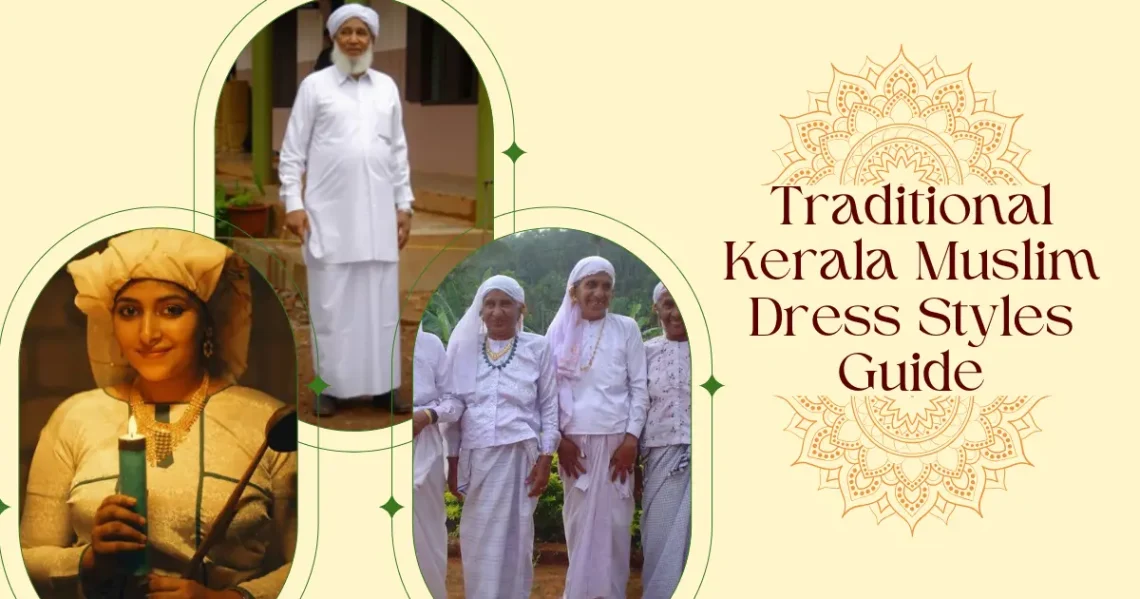
Both men and women carry their traditions with pride. Men often wear the mundu (a traditional white cotton wrap-around) paired with long shirts or kurtas. On special occasions, they may add a cap or scarf—symbols of reverence and respect. Women, on the other hand, are often seen in flowing abayas, salwar kameez, or long maxi dresses, usually with matching hijabs or shawls. And it’s not all monochrome—muted pastels, florals, and soft jewel tones are very much part of the picture.
This dress culture, although steeped in Islamic principles, has also absorbed subtle influences from Kerala’s larger landscape—its colors, its simplicity, and even its communal harmony. That’s what makes it so special—it evolves with time without letting go of its roots.
Understanding Kerala Muslim Dress Culture
When we think about the essence of Kerala Muslim attire, we’re not just talking about clothes—we’re talking about identity, tradition, and the beautiful blend of culture and faith. The style is a graceful combination of Kerala’s coastal heritage and the modest sensibilities of Islamic tradition, creating something that feels both rooted and refined.
For many, Kerala Muslim dress isn’t just about covering—it’s about expressing oneself through elegance and subtle beauty. What makes it unique is how it balances modesty with comfort, especially considering Kerala’s humid, tropical climate. You’ll see airy fabrics, light embroidery, and a soft, flowing structure to most outfits. Nothing too flashy, yet deeply captivating.
Both men and women carry their traditions with pride. Men often wear the mundu (a traditional white cotton wrap-around) paired with long shirts or kurtas. On special occasions, they may add a cap or scarf—symbols of reverence and respect. Women, on the other hand, are often seen in flowing abayas, salwar kameez, or long maxi dresses, usually with matching hijabs or shawls. And it’s not all monochrome—muted pastels, florals, and soft jewel tones are very much part of the picture.
This dress culture, although steeped in Islamic principles, has also absorbed subtle influences from Kerala’s larger landscape—its colors, its simplicity, and even its communal harmony. That’s what makes it so special—it evolves with time without letting go of its roots.
In the next section, we’ll break down women’s outfits in more detail—from everyday attire to festive wear, and the subtle ways personal style weaves into tradition.t section, we’ll break down women’s outfits in more detail—from everyday attire to festive wear, and the subtle ways personal style weaves into tradition.
Traditional Kerala Muslim Attire for Women
There’s something effortlessly graceful about traditional Kerala Muslim women’s clothing. It doesn’t shout for attention—but quietly captivates. Each outfit reflects not only a deep respect for modesty but also a love for beauty, texture, and movement. Whether you’re walking through a local market in Kozhikode or attending a Nikkah ceremony in Malappuram, the elegance of women’s attire stands out in the softest, most poetic way.
Most commonly, women wear salwar kameez, abayas, or long maxi-style dresses—each thoughtfully designed to provide coverage without compromising on comfort. The fabrics matter a lot. In the humid climate of Kerala, light cottons, linens, and breathable chiffons are the heroes of everyday wear. These aren’t just practical—they’re chosen for how they drape, how they feel on the skin, and how they allow a woman to move freely and confidently.
What really gives personality to each look, though, is the hijab or shawl. Women often match their headscarves with their outfits, sometimes adding a pop of contrast or opting for neutral earth tones. You might see florals, lace edges, or soft pastels during the day. For evening events and weddings, rich tones like burgundy, emerald, navy, and gold come into play—often with delicate beading or embroidery that reflects just a hint of light.
Interestingly, there’s a beautiful fusion emerging. Many younger women are embracing global modest fashion trends—pairing structured abayas with modern handbags, or layering flowy longline shirts with culottes and sneakers. Yet, they stay rooted. Even the most modern Kerala Muslim girl often carries the modest aesthetic with care, never crossing the line of cultural respect.
Traditional Kerala Muslim Attire for Men
There’s a quiet dignity in how Kerala Muslim men dress—an understated elegance that doesn’t scream for attention but holds your gaze nonetheless. At first glance, it may seem simple. But look closer, and you’ll notice that every detail—from the fabric to the fold of a mundu—tells a story rooted in faith, heritage, and climate-conscious practicality.
The mundu, a traditional white or off-white cotton garment, is perhaps the most recognizable piece. It’s usually paired with a white shirt or kurta, creating a crisp, clean look that feels both ceremonial and everyday-appropriate. The mundu isn’t just a piece of clothing—it’s symbolic. The way it’s worn, folded, and even the subtle golden border some prefer (called kasavu) gives insight into the wearer’s personal style and even social setting.
For religious occasions or weddings, the outfit is elevated. Some men wear embroidered kurtas, often in light silks or fine cottons, with minimal yet elegant detailing. A topi (prayer cap) may be worn during religious gatherings or prayers, while a shawl or angavastram draped over the shoulder adds a touch of ceremonial grace.
Younger generations are also experimenting, blending tradition with a contemporary edge. Some choose pathani suits, long kurtas with trousers, or even layer traditional wear with modern accessories like watches, sunglasses, and designer sandals. Still, they respect the unspoken rules—modesty, neatness, and cultural pride remain at the heart of every outfit.
In coastal towns, you might see variations based on local influences—darker shirts, layered fabrics, or regional cuts—but the essence remains the same: comfort, simplicity, and purpose. This grounded aesthetic continues to evolve quietly, without losing its roots.
Occasion-Specific Kerala Muslim Dress Styles
There’s something magical about how Kerala Muslim attire transforms when it meets a celebration. It’s like watching everyday simplicity bloom into something quietly luxurious, rooted in the same values—modesty, elegance, and cultural pride—but adorned with a touch more sparkle, deeper color, and finer detail.
For weddings, the style becomes more expressive. Men often wear rich-toned kurta-pyjamas, sometimes in hues like ivory, maroon, or navy, with subtle embroidery along the collar and sleeves. Some pair their look with a gold-bordered mundu, echoing the grandeur of the event. Accessories like embroidered topis, shawls, and even simple gold chains are common, but always in moderation. It’s about reverence, not flamboyance.
Women, on the other hand, embody regal grace. The traditional abaya or long flowing gowns are often chosen in luxurious fabrics—satin, chiffon, or silk—embellished with lacework, bead detailing, or gold accents. In many families, wearing hijabs that coordinate with the dress color or embroidery has become a beautiful trend. Some brides also wear modest lehengas or sarees that balance tradition with personal flair. And of course, jewelry—especially gold—plays a key role, symbolizing not just beauty but also cultural legacy.
During Eid celebrations, the mood is joyful, yet deeply respectful. Outfits are bright, often newly stitched, and chosen with care. Children wear mini versions of adult styles—little kurtas, abayas, or pathani suits—often with a hint of sparkle or fun embroidery. The beauty lies in the harmony—families dressing up not to show off, but to share in a moment of community, faith, and togetherness.
Each occasion brings out a different layer of the Kerala Muslim wardrobe—but what remains constant is the graceful restraint, the love for tradition, and the warmth with which it’s worn.
Kerala Muslim Wedding Attire
Weddings in Kerala’s Muslim communities are a beautiful blend of faith, culture, and understated elegance. The clothing chosen for such an event isn’t just about looking good—it reflects tradition, family values, and even spiritual significance.
For men, the wedding outfit is often rooted in classic silhouettes like the kurta-pyjama, sometimes paired with a gold-bordered mundu or a more formal sherwani. The color palette usually stays within the realm of dignity—think creams, whites, soft pastels, or rich neutrals like navy, olive, and charcoal. You might notice subtle embroidery or threadwork near the collar or cuffs—just enough to elevate without going overboard. Some grooms choose to wear a turban or shawl, depending on the customs of their region or family. What ties it all together is a sense of humility wrapped in elegance.
For women, the choices are vast yet modest. Some brides wear heavily embroidered abayas, while others choose long gowns or modest lehengas that maintain coverage without compromising beauty. The colors might range from deep maroons and emeralds to softer hues like peach and rose gold—often depending on whether it’s the nikah ceremony or the reception. A matching or complementary hijab, often styled more elaborately for the day, completes the look. Jewelry—especially gold bangles, necklaces, and earrings—is worn with care, often passed down generations, adding emotional value to the visual beauty.
There’s also a sense of harmony—guests often wear coordinated shades or dress according to themes. Modesty is always honored, yet individuality shines through. Kerala Muslim weddings are not loud or extravagant in the typical sense, but they’re deeply meaningful. Every outfit tells a story, not just of style, but of lineage, community, and the gentle power of tradition.
Casual and Everyday Kerala Muslim Wear
Daily wear among Kerala Muslims beautifully reflects the region’s warm climate, practical lifestyle, and deep-rooted values of modesty. Whether it’s stepping out for errands, heading to the mosque, or simply spending time with family, the everyday dress code remains simple yet graceful.
For men, the go-to outfit often includes a lightweight mundu or lungi paired with a breathable cotton shirt or kurta. These outfits are not only culturally symbolic but are also incredibly suited for Kerala’s humid environment. You might spot older generations leaning more toward traditional cuts and neutral colors, while younger men mix things up with short kurtas, checkered shirts, or even modern t-shirts worn with lungis—a perfect fusion of old and new. On Fridays, many choose to dress slightly more formally, swapping out casual shirts for crisp white kurtas as they prepare for Jumu’ah prayers.
Women, on the other hand, wear clothing that balances modesty and comfort. The most common pieces are simple abayas, salwar kameez, or long maxi dresses paired with a hijab. Kerala’s Muslim women often favor solid colors or subtle prints, avoiding loud patterns in daily settings. The fabrics tend to be soft—cotton, rayon, or jersey—to help manage the coastal heat. Hijabs are typically draped loosely and are often matched with the outfit, reflecting a quiet sense of style even in casual moments.
What’s striking is the consistency in values—comfort never sacrifices modesty. Even in something as routine as daily wear, there’s dignity in how individuals carry themselves. Whether it’s the elderly grandmother in her neatly pinned dupatta or the teenage boy in his rolled-up mundu on a bike, casual dress in Kerala’s Muslim communities carries a rhythm—relaxed, respectful, and deeply personal.
Special Occasion Attire: Weddings and Festivals
When it comes to special occasions like weddings and religious festivals, Kerala Muslims embrace tradition with added flair. These moments aren’t just about looking good—they’re about honoring heritage, showing respect, and celebrating community. The attire becomes more elaborate, with every fabric, color, and detail carefully chosen to reflect both elegance and modesty.
For men, wedding wear typically includes a finely stitched sherwani, kurta-pajama set, or sometimes a richly embroidered jubba (long tunic). These are often made from silk or brocade and paired with a matching shawl and formal footwear like mojari or kolhapuri sandals. For festivals like Eid, many men opt for crisp, freshly pressed white or pastel kurtas with gold accents. You’ll also see a mix of traditional headwear—like the topi or turban—especially among elders or grooms.
Women’s wedding attire is where Kerala Muslim fashion truly shines. The most popular choices include intricately embroidered long gowns, luxurious abayas with lacework, and lehenga-choli sets in deep jewel tones like emerald, burgundy, or navy blue. Hijabs are styled with more embellishments—lace borders, pearl pins, or delicate net overlays—adding a festive sparkle without compromising modesty. During festivals, women might also wear designer salwar kameez or sarees draped in modest styles, with coordinating accessories like clutches and statement earrings.
What makes these outfits stand out is how they hold on to tradition while subtly embracing current fashion. You can feel the weight of cultural pride stitched into every fold. Special occasions in Kerala Muslim life are about beauty, celebration, and devotion—and the way people dress tells that story with quiet power and grace.
Children’s Traditional Clothing
Children’s traditional clothing within the Kerala Muslim community beautifully mirrors the charm of adult attire but with a delightful, innocent twist. It’s a way of introducing cultural identity early on—through colors, comfort, and tradition blended into playful, age-appropriate designs.
For boys, outfits are usually mini versions of what their fathers or older brothers wear. A classic look includes a white or pastel kurta with a tiny mundu (sometimes stitched in a way that’s easier to wear and move around in). On festive days or weddings, you’ll often spot little boys in embroidered jubbas or kurta-pajama sets, paired with small sandals or formal slippers. Occasionally, a mini cap (topi) completes the look, especially during Eid prayers or religious ceremonies. The idea is to keep the child looking neat while ensuring maximum comfort for play and movement.
Girls’ clothing takes on a more decorative tone, often reflecting their mother’s fashion but with soft fabrics and playful details. From embroidered frocks in traditional cuts to mini abayas, and even modest lehengas in bright, festive shades—everything is thoughtfully designed. Cotton and silk blends are common, keeping children cool in Kerala’s humid climate while still feeling special. Many girls wear hijabs styled simply or with cute embellishments, especially during Eid or weddings, often excited to match their outfits with siblings or cousins.
What makes children’s traditional attire extra special is the joy it sparks. There’s a certain pride in dressing up for Eid morning or a family wedding, feeling included in rituals, and looking like the grownups they admire. It’s tradition passed down not by words, but by textures, stitches, and swirls of color—one cheerful outfit at a time.
Fusion and Contemporary Trends in Kerala Muslim Dress
Fashion never stays still—and Kerala Muslim attire is no exception. While tradition continues to anchor style choices, there’s a rising tide of fusion and contemporary fashion trends that’s giving traditional clothing a modern heartbeat. This blend is especially loved by the younger generation, who want to express both their roots and individuality.
One of the most noticeable shifts is in fabrics and tailoring. Where once thick silks or cottons were staples, now you’ll find lightweight georgettes, chiffons, crepes, and stretchable blends being used to create more breathable, stylish outfits. The designs might keep the classic shapes—like the abaya, kurta, or jubba—but the details are where the transformation shows. Think asymmetrical hemlines, modern cuts, embroidered jackets, or tunic-style kurtis paired with palazzos, cigarette pants, or flared skirts.
Color palettes have expanded, too. Earth tones and muted hues are replacing the traditional whites and bold colors, especially for casual or semi-formal wear. But for weddings or Eid? Vibrant jewel tones, gold detailing, and glittery embellishments are making a bold return—with a twist of modern elegance.
Accessories are also having a moment. From statement belts over abayas to hand-embroidered handbags, the way people style their outfits is shifting. And the hijab? It’s become a canvas of creativity. Younger women are experimenting with layered styles, contrasting textures, and minimalist pins—mixing comfort with a flair of individuality.
This fusion trend doesn’t mean tradition is disappearing—it means it’s evolving. There’s a refreshing balance between respecting heritage and embracing personal style. People aren’t just dressing for events; they’re telling stories about who they are—stories written in lace trims, pastel threads, and a little bit of sparkle.
Occasions and Ceremonial Kerala Muslim Dress
Every occasion calls for a different kind of presence—and in Kerala’s Muslim community, that presence is beautifully expressed through thoughtfully chosen attire. Whether it’s a nikah ceremony, Eid celebration, or a family gathering, clothing isn’t just about covering—it’s about celebrating life, faith, and culture with dignity and grace.
For weddings and nikah ceremonies, the dress code elevates tradition to its most regal form. Men often wear well-fitted kurtas with embroidered shawls, sometimes layered with a sherwani, depending on the scale of the event. For women, the outfit is a stunning blend of long anarkalis, embellished abayas, or designer salwar suits—often adorned with zari, sequins, and hand embroidery. Bridal hijabs are often made of luxurious materials like silk or chiffon, delicately styled and matched with ornate jewelry such as maang tikka, jhoomar, or statement earrings.
Eid attire leans festive yet elegant. While comfort is key, it doesn’t hold back the sparkle. Men might choose light sherwanis or vibrant kurta-pajama sets in cheerful hues, while women often wear colorful gowns, lehengas, or flowy kurtas with pastel or jewel-toned hijabs. Children, too, get to participate in the tradition—tiny kurtas and mini maxi dresses, paired with cute little caps or scarves, are a sight of joy during family gatherings.
Funerals or formal religious events call for subdued, respectful attire—usually in white, black, or neutral tones. Modesty takes center stage, and simplicity is a silent form of reverence.
Through all these moments—joyful or solemn—the Kerala Muslim dress code speaks softly but meaningfully. It’s not about trends during these times; it’s about honoring moments that matter, through garments woven with meaning, tradition, and care.
Modern Trends in Kerala Muslim Fashion
Fashion evolves—but culture finds a way to stay rooted, even as it blossoms. That’s what makes modern Kerala Muslim fashion so fascinating. It’s not about abandoning traditions, but rather about reimagining them to reflect a fresh, expressive identity—especially among younger generations and urban communities.
You’ll see this evolution in the choice of fabrics and silhouettes. Lightweight materials like georgette, crepe, and linen are replacing heavier traditional fabrics for everyday wear. Flowy maxi dresses with modest cuts, paired with statement hijabs or jackets, are becoming wardrobe staples. And it’s not just women—men, too, are pairing traditional kurtas with denim, or wearing pastel-tone kurta sets with sleek sneakers for that fusion look.
Another prominent shift? The styling of the hijab. Kerala Muslim women are embracing contemporary draping styles—Turkish wraps, layered folds, even under-scarves for volume. These new looks don’t compromise modesty but add elegance and individuality. Printed hijabs, ombré tones, or beaded edges turn a simple outfit into a style statement.
For men, sustainable tailoring and minimalism are on the rise. Crisp white kurtas with subtle detailing, earth-toned pathani suits, and handwoven mundus in updated cuts blend age-old pride with today’s aesthetic sensibilities. Accessories like leather sandals, prayer caps in new textures, or even watches and sunglasses add that quiet confidence.
What’s heartening is that this modern evolution doesn’t stray far from its spiritual and cultural roots. It’s fashion with boundaries—not as restrictions, but as a form of intention. It’s about dressing beautifully, mindfully, and unapologetically, while staying connected to who you are and where you come from.
Because in Kerala Muslim fashion today, modern isn’t the opposite of modest—it’s just another layer of it.
Occasions and Festivals: Dressing for the Moment
In Kerala’s Muslim community, clothing is more than just what you wear—it’s part of how you honor the moment. Whether it’s a wedding, Eid celebration, Jummah prayers, or a family get-together, each occasion calls for its own rhythm in dress—always modest, always meaningful, and often breathtaking in its elegance.
Eid, in particular, is a moment of joy, gratitude, and unity. On this day, the streets of Kerala light up with color and grace. Women often choose flowing anarkalis, embellished abayas, or richly embroidered salwar suits in festive colors like emerald green, deep maroon, or royal blue. The hijab becomes part of the celebration too, with satin or silk wraps often paired with chandelier earrings or light makeup to mark the occasion with joy—never extravagance, just quiet beauty.
Men, on the other hand, keep it classic but polished. Crisp white or off-white kurtas with gold detailing or a subtle zari border are common, often paired with a freshly pressed mundu or churidar. Accessories like leather sandals, smart caps, and attar (natural perfume) complete the outfit in a way that feels both traditional and personal.
Then come weddings, which are in a category of their own. For brides, there’s a growing love for fusion styles—gowns with hijabs, traditional lehengas with a Kerala twist, or abayas with elaborate embroidery. For grooms, sherwanis or tailored suits worn with a prayer cap or shawl create a regal yet respectful look. Guests, too, come dressed in their best—dignified, coordinated, and colorful, but never flashy.
And of course, for Friday prayers, simplicity reigns. Clean, well-ironed clothes, usually in whites or soft tones, represent respect and devotion.
Kerala Muslim dress for special occasions is never just about fashion. It’s about honoring the moment, reflecting inner dignity, and feeling deeply connected to the culture that shaped you.
Conclusion
The beauty of Kerala Muslim dress lies not only in its visual elegance but in the story it quietly tells—of faith, tradition, regional pride, and personal identity. Whether it’s a simple cotton kurta for daily prayers or a richly embroidered abaya for Eid, each outfit is chosen with care, modesty, and purpose. It’s not about trends or fleeting fashion moments—it’s about honoring heritage while embracing the gentle evolution of style. What makes Kerala Muslim fashion truly special is how seamlessly it blends modern silhouettes with deeply rooted values. At the end of the day, it’s more than fabric and color—it’s culture you can wear, with dignity.
FAQs
Q1: What do Muslim men traditionally wear in Kerala?
A: Muslim men in Kerala often wear kurtas with mundu (a traditional Kerala wrap), or churidars for daily wear. On special occasions, they might choose sherwanis, long shirts with gold detailing, or smart formal suits with traditional caps.
Q2: Are hijabs commonly worn by Muslim women in Kerala?
A: Yes, hijabs are a central part of modest dressing for many Muslim women in Kerala. They come in a wide variety of styles, fabrics, and colors—ranging from casual cotton wraps to silk and embellished ones for festive occasions.
Q3: What are some common fabrics used in Kerala Muslim outfits?
A: Cotton is a staple due to Kerala’s warm climate, especially for daily wear. For formal events and religious celebrations, silk, chiffon, georgette, and satin are also popular choices.
Q4: Is it acceptable to fuse modern styles with traditional Muslim dress in Kerala?
A: Absolutely. Many younger individuals blend traditional modesty with contemporary fashion—think high-low kurtas, palazzos with tunics, or modern hijab styles paired with Indo-Western outfits.
Q5: Where can I buy Kerala Muslim dresses online?
A: You can find Kerala Muslim attire on platforms like Seemz Fashion, Amazon India, Mehar, and regional boutiques that specialize in ethnic wear. Look for stores offering custom fits and modest collections.