
Introduction
Women’s Formal Attire plays a vital role in creating a polished, professional, and confident appearance. Whether attending a business meeting, corporate event, job interview, formal dinner, conference, or special occasion, choosing the right outfit can leave a lasting impression. In today’s professional world, appearance often influences how others perceive confidence, competence, and attention to detail.
The concept of Women’s Formal Attire has evolved significantly over the years. Modern formal wear combines sophistication with comfort, allowing women to express their personal style while maintaining professionalism. From tailored suits and elegant dresses to stylish blazers and professional accessories, there are numerous options available for different occasions.
Understanding how to select appropriate formal clothing can sometimes feel challenging, especially for beginners. Factors such as dress codes, colors, fabric choices, seasonal considerations, and accessorizing all play important roles in creating a complete formal look.
This comprehensive guide explores everything you need to know about Women’s Formal Attire. You will learn what it is, why it matters, how to build a professional wardrobe, common mistakes to avoid, and expert tips for achieving an elegant appearance every time.
What is Women’s Formal Attire?
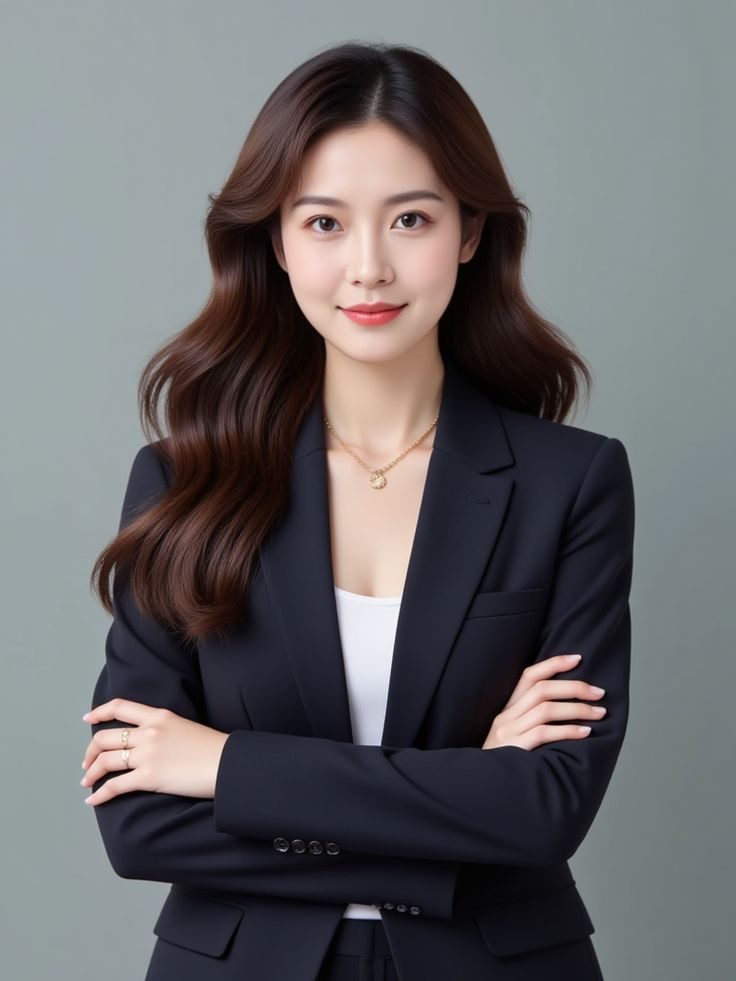
Women’s Formal Attire refers to clothing specifically designed for professional, business, ceremonial, and sophisticated social occasions. These outfits typically emphasize elegance, structure, cleanliness, and professionalism.
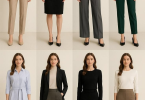
Common examples of Women’s Formal Attire include:
- Tailored pantsuits
- Business suits
- Formal dresses
- Pencil skirts with blouses
- Blazers with dress pants
- Professional jumpsuits
- Formal evening gowns for special events
The exact style depends on the occasion. A corporate meeting may require a business suit, while a formal gala may call for an elegant evening dress.
The primary goal of Women’s Formal Attire is to present a refined and professional image while ensuring comfort and confidence.
Why is Women’s Formal Attire Important?
Women’s Formal Attire is important for several reasons.
First, it creates a positive first impression. People often form opinions within seconds of meeting someone. Professional clothing helps communicate competence and credibility.
Second, formal attire boosts self-confidence. Wearing well-fitted and elegant clothing can improve posture, attitude, and overall confidence.
Third, it demonstrates respect for the event, workplace, or organization. Dressing appropriately shows professionalism and consideration for social expectations.
Additionally, proper formal attire can contribute to career advancement. Employers and clients often associate polished appearances with reliability and professionalism.
Finally, formal clothing helps establish a strong personal brand. Consistently dressing well can make an individual more memorable and respected in professional settings.
Detailed Step-by-Step Guide
Step 1: Understand the Dress Code
Before selecting an outfit, determine the event’s dress code.
Common dress codes include:
- Business Formal
- Business Professional
- Semi-Formal
- Black Tie
- Corporate Casual
Always research the event requirements to avoid being underdressed or overdressed.
Step 2: Choose the Right Outfit
The foundation of Women’s Formal Attire is selecting appropriate clothing.
Suitable options include:
- Tailored blazers
- Professional dresses
- Structured skirts
- Dress pants
- Matching suit sets
Neutral colors such as black, navy, gray, and beige remain popular choices because they convey professionalism.
Step 3: Focus on Proper Fit
Even expensive clothing can look unprofessional if it does not fit properly.
A well-fitted outfit should:
- Allow comfortable movement
- Follow natural body lines
- Avoid excessive tightness
- Maintain a polished silhouette
Tailoring can significantly improve the appearance of formal garments.
Step 4: Select Quality Fabrics
Fabric quality greatly affects overall appearance.
Popular formal fabrics include:
- Wool
- Cotton blends
- Silk
- Crepe
- Tweed
- Linen blends
High-quality fabrics tend to last longer and maintain their shape better.
Step 5: Choose Appropriate Footwear
Shoes complete the formal look.
Good options include:
- Closed-toe pumps
- Leather loafers
- Block heels
- Elegant flats
Footwear should be comfortable, clean, and coordinated with the outfit.
Step 6: Add Professional Accessories
Accessories should enhance rather than overpower the outfit.
Examples include:
- Simple jewelry
- Structured handbags
- Watches
- Belts
- Scarves
Minimalist accessories often work best in professional environments.
Step 7: Pay Attention to Grooming
Personal grooming is an essential part of Women’s Formal Attire.
Maintain:
- Neat hairstyles
- Clean nails
- Subtle makeup
- Well-maintained shoes
A polished appearance strengthens the overall impact of formal clothing.
Step 8: Consider Seasonal Adjustments
Different seasons require different wardrobe choices.
Summer options:
- Lightweight fabrics
- Breathable materials
- Lighter colors
Winter options:
- Wool blazers
- Long coats
- Layered outfits
Seasonal planning helps maintain comfort without sacrificing professionalism.
Benefits of Women’s Formal Attire
- Creates a professional image
- Enhances self-confidence
- Improves first impressions
- Demonstrates professionalism
- Supports career growth
- Increases workplace credibility
- Encourages disciplined personal presentation
- Provides versatility for multiple occasions
- Reflects attention to detail
- Helps establish personal branding
Disadvantages / Risks
- High-quality formal clothing can be expensive
- Some formal outfits may feel restrictive
- Frequent dry cleaning may increase maintenance costs
- Incorrect sizing can reduce comfort
- Following outdated fashion trends may affect appearance
- Over-accessorizing can appear unprofessional
- Seasonal changes may require additional wardrobe investments
Common Mistakes to Avoid
One common mistake is ignoring the dress code. Wearing inappropriate attire can create a negative impression regardless of the outfit’s quality.
Another mistake is choosing clothing that does not fit properly. Oversized or extremely tight garments often appear unprofessional.
Many women also make the mistake of wearing excessive accessories. Too much jewelry can distract from an otherwise elegant appearance.
Poor color coordination is another issue. Bright colors may be suitable in some settings, but formal environments usually benefit from balanced and professional color palettes.
Neglecting shoe maintenance can also affect the overall presentation. Even the best outfit can appear incomplete if paired with worn or damaged footwear.
Wrinkled clothing should always be avoided. Proper ironing and garment care contribute significantly to a polished appearance.
Finally, prioritizing trends over professionalism can sometimes backfire. Timeless pieces generally provide greater versatility and long-term value.
FAQs
What is considered Women’s Formal Attire?
Women’s Formal Attire includes professional dresses, suits, blazers, dress pants, skirts, and elegant accessories suitable for business and formal occasions.
Can women wear pants in formal settings?
Yes. Tailored dress pants and professional pantsuits are widely accepted forms of Women’s Formal Attire in most professional environments.
Which colors are best for formal clothing?
Neutral colors such as black, navy, gray, beige, and white are commonly preferred because they project professionalism and sophistication.
Are flats appropriate for formal attire?
Yes. Elegant flats made from quality materials can be suitable for formal settings, especially when paired with professional clothing.
How many formal outfits should a professional woman own?
A basic professional wardrobe should include several interchangeable pieces such as blazers, trousers, skirts, dresses, and blouses to create multiple outfit combinations.
Can accessories improve a formal outfit?
Absolutely. Well-chosen accessories add refinement and personality while maintaining a professional appearance.
Is a blazer necessary for Women’s Formal Attire?
While not always mandatory, a blazer is one of the most versatile and professional pieces in a formal wardrobe.
How can beginners build a formal wardrobe?
Start with essential items such as a neutral blazer, dress pants, professional dress, comfortable shoes, and simple accessories. Gradually expand the wardrobe over time.
Expert Tips & Bonus Points
Invest in quality basics before purchasing trend-driven pieces. A well-tailored blazer and professional trousers often provide the best return on investment.
Build a capsule wardrobe featuring neutral colors that can easily mix and match.
Keep a lint roller and stain-removal pen available for quick touch-ups during important events.
Choose fabrics that resist wrinkles when traveling for business meetings or conferences.
Regularly assess your wardrobe and replace worn items to maintain a polished image.
Pay attention to posture and body language. Even the best Women’s Formal Attire works most effectively when paired with confident presentation.
Consider tailoring as a worthwhile investment. Small adjustments can dramatically improve the fit and appearance of clothing.
Maintain consistency in your professional style to strengthen your personal brand and create a memorable impression.
Conclusion
Women’s Formal Attire is much more than simply wearing professional clothing. It represents confidence, professionalism, respect, and personal presentation. The right formal outfit can influence first impressions, strengthen credibility, and help women feel empowered in both professional and social environments.
Building an effective formal wardrobe does not require an overwhelming number of garments. Instead, focus on quality, fit, versatility, and timeless style. Tailored blazers, professional dresses, elegant trousers, and carefully selected accessories provide a strong foundation for countless formal looks. By understanding dress codes, choosing suitable fabrics, maintaining proper grooming, and avoiding common mistakes, women can consistently achieve a polished appearance.
As workplace expectations and fashion trends continue to evolve, the core principles of Women’s Formal Attire remain unchanged. Professionalism, elegance, and confidence continue to define successful formal dressing. Whether preparing for an important interview, attending a corporate event, or participating in a formal celebration, thoughtful wardrobe choices can make a significant difference.
By applying the strategies and expert recommendations outlined in this guide, anyone can develop a sophisticated formal style that balances professionalism with individuality. Ultimately, Women’s Formal Attire is an investment in personal confidence, professional success, and lasting impressions.