
Introduction
Business Formal Dress is one of the most professional and polished dress codes used in corporate environments. Whether you are attending a job interview, meeting important clients, participating in a business conference, or working in a traditional corporate office, dressing appropriately can significantly influence how others perceive you. A well-chosen Business Formal Dress outfit communicates professionalism, confidence, competence, and respect for workplace standards.
In today’s competitive professional world, appearance often contributes to first impressions. While skills and experience remain essential, your attire can help establish credibility before a single word is spoken. Business Formal Dress is designed to create a sophisticated and professional image while maintaining comfort and practicality for daily work activities.
Many professionals struggle to understand the difference between business formal and other dress codes such as business casual or smart casual. This guide will explain everything you need to know about Business Formal Dress, from its definition and importance to practical styling tips and common mistakes to avoid. By understanding these principles, you can confidently build a professional wardrobe that supports your career goals.
What is Business Formal Dress?
Business Formal Dress refers to the highest standard of professional workplace attire. It is commonly required in corporate offices, financial institutions, law firms, executive meetings, and formal business events.
For men, Business Formal Dress typically includes:
- A tailored suit
- A dress shirt
- A conservative tie
- Formal leather shoes
- Matching belt
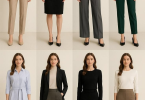
For women, Business Formal Dress often includes:
- A tailored pantsuit
- A skirt suit
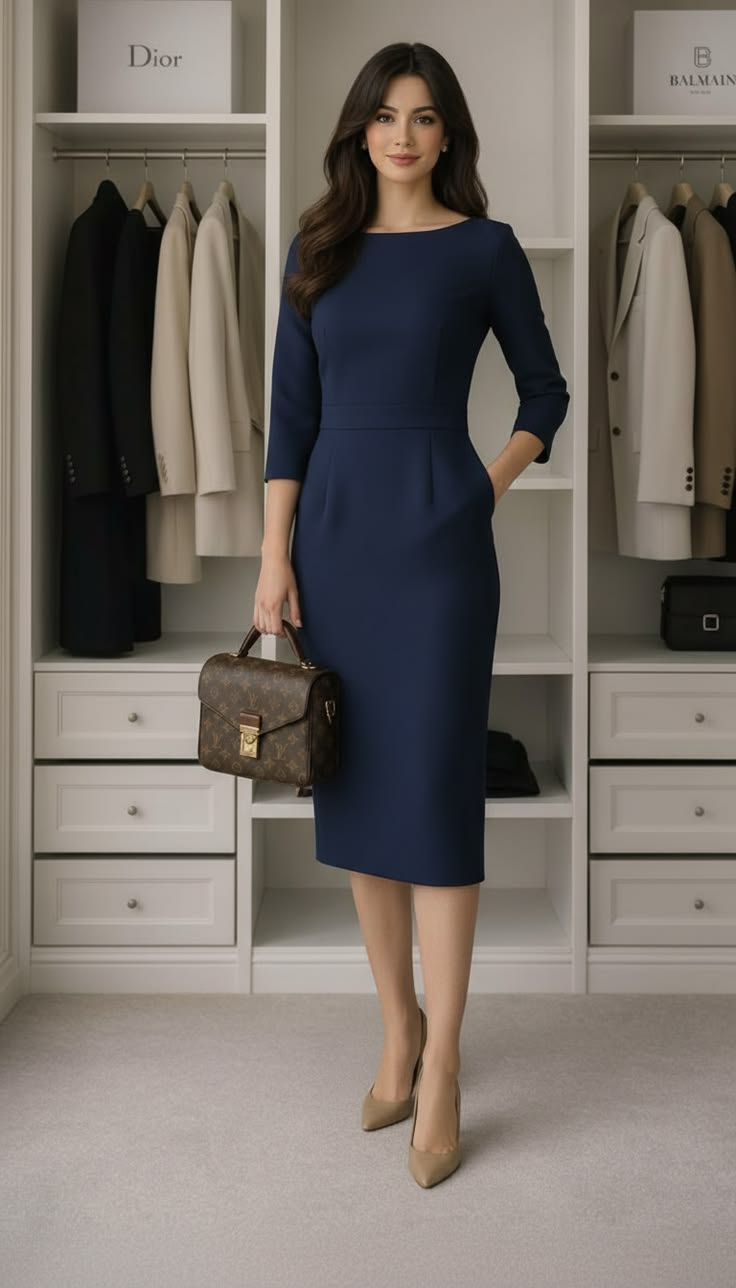
- A professional dress with a blazer
- Closed-toe shoes
- Minimal accessories
The overall appearance should be polished, conservative, and professional.
Why is Business Formal Dress Important?
Business Formal Dress plays a crucial role in professional environments because it helps create trust and credibility. Employers, clients, and colleagues often associate professional attire with competence and reliability.
Other reasons why Business Formal Dress is important include:
- Creates a strong first impression
- Demonstrates professionalism
- Reflects workplace respect
- Enhances confidence
- Supports career advancement
- Strengthens personal branding
- Improves workplace presence
Professionals who consistently dress appropriately often appear more prepared and organized in business settings.
Detailed Step-by-Step Guide
Step 1: Understand Workplace Expectations
Different organizations may have different interpretations of Business Formal Dress. Research company policies and observe workplace culture before selecting your attire.
Step 2: Invest in a Quality Suit
A tailored suit forms the foundation of Business Formal Dress.
Recommended colors include:
- Black
- Navy blue
- Charcoal gray
- Dark brown
Neutral colors offer versatility and maintain a professional appearance.
Step 3: Select Professional Shirts and Blouses
Choose well-fitted dress shirts or professional blouses.
Ideal colors include:
- White
- Light blue
- Soft gray
- Beige
Avoid overly bright colors or distracting patterns.
Step 4: Choose Appropriate Footwear
Professional shoes are essential for completing a Business Formal Dress outfit.
Suitable options include:
- Oxford shoes
- Derby shoes
- Closed-toe pumps
- Leather loafers
Always ensure shoes are clean and well-maintained.
Step 5: Use Accessories Carefully
Accessories should complement your appearance rather than dominate it.
Recommended accessories include:
- Professional watch
- Simple jewelry
- Leather belt
- Structured handbag
Keep accessories minimal and elegant.
Step 6: Focus on Grooming
Personal grooming is an important part of Business Formal Dress.
Maintain:
- Clean hairstyle
- Neat nails
- Professional appearance
- Well-ironed clothing
Attention to detail helps create a polished image.
Step 7: Prioritize Proper Fit
Even expensive clothing looks unprofessional when it does not fit correctly.
A properly fitted outfit should:
- Allow comfortable movement
- Maintain a clean silhouette
- Avoid excessive tightness
- Look tailored and refined
Professional tailoring can significantly improve overall appearance.
Benefits of Business Formal Dress
- Enhances professional credibility
- Improves first impressions
- Increases confidence
- Supports career growth
- Demonstrates professionalism
- Creates workplace consistency
- Strengthens personal branding
- Encourages disciplined presentation
- Reflects attention to detail
- Suitable for important business events
Disadvantages / Risks
- Quality formal clothing can be expensive
- Requires regular maintenance
- Dry cleaning costs may increase expenses
- Some outfits may feel restrictive
- Seasonal changes may require additional clothing
- Incorrect sizing can reduce comfort
- Following outdated styles may affect appearance
Common Mistakes to Avoid
One common mistake is wearing clothing that does not fit properly. Oversized or tight garments can negatively affect your professional image.
Another mistake is neglecting shoe care. Scuffed or dirty shoes can undermine an otherwise polished outfit.
Many professionals also overuse accessories. Excessive jewelry, strong fragrances, or flashy items can distract from a professional appearance.
Ignoring grooming standards is another issue. Wrinkled clothing, unkempt hair, or poor personal presentation can reduce credibility.
Choosing inappropriate colors or patterns can also be problematic. Business Formal Dress generally favors conservative and professional color choices.
Finally, failing to understand workplace expectations may result in being overdressed or underdressed for specific situations.
FAQs
What is the difference between Business Formal Dress and Business Casual?
Business Formal Dress requires suits, professional dresses, and conservative styling, while business casual allows more relaxed clothing options.
Is a tie required for Business Formal Dress?
In many traditional workplaces, a tie remains a standard component of Business Formal Dress for men.
Can women wear pants in Business Formal Dress?
Yes. Tailored pantsuits are widely accepted and commonly worn in professional environments.
Which colors are best for Business Formal Dress?
Black, navy, charcoal gray, and other neutral shades are considered the most professional choices.
Are accessories important in Business Formal Dress?
Yes. However, accessories should remain minimal and professional to maintain a polished appearance.
Can Business Formal Dress improve career opportunities?
Professional attire can positively influence first impressions, workplace credibility, and overall professional presence.
Expert Tips & Bonus Points
Purchase timeless wardrobe pieces before following fashion trends. Classic suits and professional shoes remain valuable for years.
Build a capsule wardrobe using neutral colors that can be mixed and matched easily.
Invest in tailoring for the best fit. Small alterations often make a significant difference.
Keep clothing clean, pressed, and properly stored to extend its lifespan.
Choose quality over quantity when building a Business Formal Dress wardrobe.
Maintain consistent grooming habits to complement your professional appearance.
Conclusion
Business Formal Dress remains one of the most respected and effective dress codes in professional environments. It represents professionalism, confidence, credibility, and respect for workplace standards. Whether attending an important meeting, interviewing for a new position, or representing an organization at a corporate event, appropriate attire helps create a positive and lasting impression.
Building a successful Business Formal Dress wardrobe does not require excessive spending. Instead, focus on quality garments, proper fit, professional grooming, and timeless styles. Neutral-colored suits, polished footwear, professional accessories, and well-maintained clothing form the foundation of a strong professional image.
By understanding the principles outlined in this guide, professionals can confidently navigate workplace dress expectations while projecting competence and professionalism. A thoughtful approach to Business Formal Dress can support career growth, improve self-confidence, and contribute to long-term professional success.