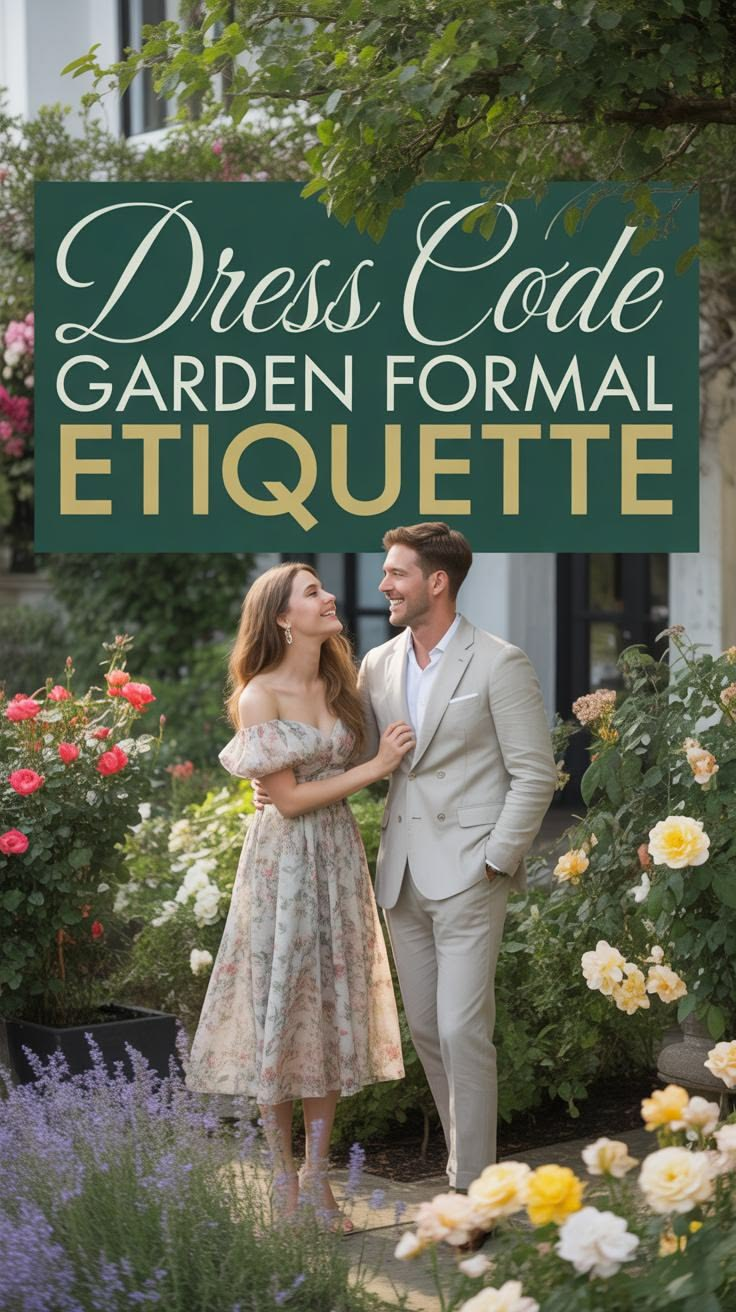

Introduction
The Formal Dress Code is an essential standard of dressing that reflects professionalism, sophistication, and respect for specific occasions. Whether attending a corporate event, wedding, business meeting, gala dinner, award ceremony, or formal gathering, understanding the Formal Dress Code helps individuals make a positive and lasting impression. Clothing is often one of the first things people notice, making proper attire an important part of personal and professional presentation.
Many people find formal dressing confusing because different events may have different expectations. However, the core purpose of a Formal Dress Code remains the same: to create a polished, refined, and appropriate appearance. Following the correct dress code demonstrates attention to detail, professionalism, and respect for the occasion.
Today, formal fashion combines classic elegance with modern style. Men and women have a variety of options that allow them to look professional while expressing their personality. Understanding the key elements of a Formal Dress Code can help eliminate uncertainty and ensure confidence in any formal setting.
This guide covers everything you need to know about the Formal Dress Code, including its meaning, importance, styling tips, benefits, common mistakes, and expert recommendations for creating a polished appearance.
What is Formal Dress Code?
The Formal Dress Code refers to a set of clothing standards designed for professional, ceremonial, and sophisticated occasions. It requires attire that is elegant, clean, well-fitted, and appropriate for the event.
For men, a Formal Dress Code often includes:
- A tailored suit or tuxedo
- Dress shirt
- Tie or bow tie
- Formal leather shoes
- Matching belt
For women, a Formal Dress Code may include:
- Formal dress
- Pantsuit
- Skirt suit
- Elegant evening gown
- Professional heels or dress shoes
The overall appearance should be neat, professional, and refined.
Why is Formal Dress Code Important?
A Formal Dress Code is important because it helps create a professional and respectful atmosphere. Dressing appropriately demonstrates that you understand the expectations of the occasion.
Key reasons why the Formal Dress Code matters include:
- Creates positive first impressions
- Demonstrates professionalism
- Builds confidence
- Shows respect for the event
- Enhances personal image
- Improves credibility
- Supports career advancement opportunities
Appropriate attire can significantly influence how others perceive your competence and professionalism.
Detailed Step-by-Step Guide
Step 1: Understand the Event Requirements
Before selecting an outfit, determine the type of event you will attend.
Common formal occasions include:
- Business meetings
- Corporate conferences
- Weddings
- Gala dinners
- Award ceremonies
- Formal celebrations
Understanding the event helps you choose suitable attire.
Step 2: Select Appropriate Clothing
Choose clothing that aligns with the Formal Dress Code.
Recommended options include:
- Tailored suits
- Formal dresses
- Blazers with dress pants
- Elegant skirts
- Professional blouses
Neutral and classic colors usually work best.
Step 3: Focus on Proper Fit
The fit of your clothing is one of the most important elements of formal dressing.
Your outfit should:
- Fit comfortably
- Allow easy movement
- Maintain a structured appearance
- Avoid excessive tightness or looseness
Tailoring can significantly improve the overall look.
Step 4: Choose Quality Fabrics
High-quality fabrics enhance appearance and comfort.
Popular formal fabrics include:
- Wool
- Cotton blends
- Silk
- Satin
- Crepe
- Linen blends
Quality materials help maintain a polished look throughout the day.
Step 5: Wear Appropriate Footwear
Shoes are an important part of the Formal Dress Code.
Good options include:
- Leather dress shoes
- Oxford shoes
- Pumps
- Elegant flats
- Formal heels
Footwear should always be clean and well-maintained.
Step 6: Accessorize Professionally
Accessories should complement your outfit rather than dominate it.
Suitable accessories include:
- Watches
- Simple jewelry
- Ties
- Pocket squares
- Structured handbags
Minimalism often works best in formal settings.
Step 7: Maintain Professional Grooming
Personal grooming is essential for completing a formal look.
Focus on:
- Neat hairstyle
- Clean nails
- Well-ironed clothing
- Proper hygiene
- Professional presentation
Attention to grooming enhances the impact of formal attire.
Benefits of Formal Dress Code
- Creates a professional appearance
- Improves self-confidence
- Strengthens first impressions
- Demonstrates respect and professionalism
- Suitable for important occasions
- Supports personal branding
- Enhances credibility
- Encourages discipline and organization
- Increases workplace confidence
- Reflects attention to detail
Disadvantages / Risks
- Formal clothing may be expensive
- Requires regular maintenance
- Some outfits may feel restrictive
- Dry-cleaning costs can add up
- Seasonal wardrobe adjustments may be necessary
- Incorrect sizing affects comfort
- Overdressing may be inappropriate for certain events
Common Mistakes to Avoid
One common mistake is misunderstanding the event’s dress requirements. Being underdressed or overdressed can create an awkward impression.
Another mistake is wearing clothing that does not fit properly. Ill-fitting garments can make even expensive outfits appear unprofessional.
Many individuals also choose excessive accessories. Large jewelry pieces, flashy watches, or strong fragrances can distract from an otherwise elegant appearance.
Ignoring grooming standards is another frequent issue. Wrinkled clothing, unpolished shoes, and untidy hairstyles can reduce the effectiveness of formal attire.
Wearing overly casual items such as sneakers, distressed clothing, or graphic designs is generally unsuitable when following a Formal Dress Code.
Finally, neglecting color coordination can affect overall appearance. Professional and balanced color combinations are typically the safest choice.
FAQs
What is a Formal Dress Code?
A Formal Dress Code is a standard of dressing that requires elegant, professional, and sophisticated attire for specific occasions and events.
Is a suit necessary for a Formal Dress Code?
In many formal settings, a suit is one of the most appropriate and widely accepted clothing choices.
Can women wear pants under a Formal Dress Code?
Yes. Tailored pantsuits are considered appropriate and professional in most formal environments.
What colors are best for Formal Dress Code attire?
Black, navy, gray, white, and other neutral colors are commonly preferred for formal occasions.
Are accessories important in formal dressing?
Yes. Appropriate accessories can enhance an outfit, but they should remain simple and professional.
How can I improve my formal appearance?
Focus on proper fit, quality fabrics, professional grooming, clean shoes, and minimal accessories.
Expert Tips & Bonus Points
Invest in timeless wardrobe pieces that remain stylish for years.
Choose versatile colors that can be mixed and matched easily.
Have important garments professionally tailored for the best fit.
Keep formal clothing clean, pressed, and properly stored.
Build a wardrobe gradually by focusing on quality rather than quantity.
Always check event invitations for dress code requirements before selecting an outfit.
Practice good posture, as confidence enhances the effectiveness of formal attire.
Conclusion
The Formal Dress Code remains one of the most important standards of professional and elegant dressing. Whether attending a business event, formal celebration, corporate meeting, or special occasion, dressing appropriately helps create a strong and positive impression. Proper formal attire communicates confidence, professionalism, respect, and attention to detail.
Understanding the principles of a Formal Dress Code makes selecting appropriate clothing much easier. By focusing on quality garments, proper fit, professional grooming, and suitable accessories, individuals can consistently achieve a polished and sophisticated appearance. Small details such as clean shoes, coordinated colors, and well-maintained clothing often make a significant difference in overall presentation.
As professional and social expectations continue to evolve, the importance of dressing appropriately remains unchanged. A well-executed Formal Dress Code helps individuals feel confident, respected, and prepared for important occasions. By applying the strategies and recommendations outlined in this guide, anyone can build a professional wardrobe and maintain an elegant appearance that leaves a lasting impression.