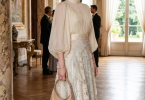
Modest dressing is sometimes treated as a limitation to work around, as if coverage and style were opponents. Anyone who actually dresses this way knows the opposite is true: working within clear boundaries produces more deliberate, more interesting outfits than an anything-goes wardrobe does. Learning how to dress modestly and still look stylish is about mastering the same tools every stylist uses — silhouette, proportion, texture, colour and layering — with a little more intention than usual. The result is not a compromise outfit. It is a considered one.

Start With Silhouette, Not Coverage
The outfits that read as stylish rather than shapeless all share one quality: a defined silhouette. Coverage becomes frumpy only when every layer is loose, long and unstructured at once. The fix is balance — if the bottom half is flowing, keep the top half closer to the body; if a dress is relaxed through the waist, add a belt, a cropped jacket or a structured bag to give the eye a focal point. Long lines are elegant precisely because they elongate, and they work best when there is one clear point of definition somewhere in the outfit: a waist, a cuff at the wrist, a neckline that frames the face. Think of modesty as the canvas rather than the constraint — the silhouette you build on it is what people actually notice and remember.
Layering: The Core Skill of Modest Style
Layering does the heavy lifting in a modest wardrobe because it converts almost any garment into a wearable one. A sleeveless dress becomes covered with a fine-knit top beneath it or a tailored blazer over it; a shorter hemline pairs with opaque tights or wide trousers underneath; a deep neckline is balanced by a lightweight scarf or a camisole with a higher cut. The skill is in the combinations: layer thin over thinner so bulk never builds up, keep one layer clearly the “main” piece, and let the supporting layers read as deliberate design rather than apology. Cropped jackets over long dresses, longline waistcoats over shirts and trousers, and open abaya-style coats over simple outfits are all proven structures that add coverage and style in the same move.
Fabrics and Texture Create the Interest
When an outfit covers more skin, interest has to come from somewhere — and fabric is where it comes from. Mix textures within one outfit: a matte crepe dress under a softly shining satin scarf, a chunky knit over a smooth slip skirt, linen’s natural slub against crisp cotton poplin. Texture contrast is visible from across a room and photographs beautifully, which is why all-neutral modest outfits still look rich when the fabrics differ. Weight matters practically too: breathable natural fibres and modern technical fabrics keep layered outfits comfortable in warm climates, while heavier weaves give winter outfits their structure. A modest wardrobe built on interesting fabrics never looks plain, because the surface of the clothing is doing the decorative work that prints and cut-outs do elsewhere.
Colour and Pattern, Used Deliberately
Coverage gives you a larger continuous area of colour than most outfits have, which makes colour choices more powerful, not less. Tonal dressing — several shades of one colour family worn together — is the most reliable elegant strategy: it lengthens the body, looks expensive, and lets texture contrasts show. A second strategy is the single statement: one patterned or vivid piece, such as a printed hijab, a floral maxi dress or an embroidered coat, with everything else quiet around it. Pattern scale matters at modest lengths — very small prints can read as noise across a long dress, while medium and large-scale patterns hold their design. And never underestimate accessories as the colour delivery system: shoes, bags, belts and jewellery occupy little space but carry the accent colour for the whole outfit.
The Details That Finish an Outfit
Stylish modest dressing is finally about grooming-level details. Sleeves pushed to the forearm or finished with a neat cuff look intentional; trousers hemmed to the correct length look tailored instead of borrowed; shoes chosen for the outfit rather than grabbed at the door change everything below the hem. Headscarf styling, for those who wear one, follows the same principles — drape and fabric choice set the register from casual to formal as surely as a hairstyle does. Fit remains the quiet multiplier: modest cuts in the right size skim rather than swamp, and small alterations — nipping a waist, shortening a sleeve — cost little and transform high-street pieces into something that looks made for you.
Shopping for Modest Pieces Without the Frustration
Finding the pieces is the practical hurdle, and a few strategies make it far less frustrating. Shop your own wardrobe first with a converter’s eye: the dress that is slightly too short for your comfort becomes perfect over trousers, and the open shirt becomes a light jacket over a plain top — many “new” modest outfits are recombinations of clothes already owned. When buying, prioritise the anchor categories: maxi dresses and skirts with real fabric weight, longline blazers and coats, quality base layers in skin-tone and neutral shades, and scarves in fabrics that drape rather than slip. Mainstream ranges increasingly carry modest edits, and dedicated modest labels solve the search entirely, but the fitting room test never changes: raise your arms, sit down, bend — a piece that only works while standing perfectly still will spend its life in the wardrobe. Buy the version that moves with you.
Modesty as a Style, Not a Compromise
Knowing how to dress modestly and still look stylish reframes the whole exercise: the boundaries are the brief, and good design loves a brief. Build silhouettes with one point of definition, layer with intent, let fabrics and tonal colour supply the richness, and finish with cared-for details. The same principles scale up to formal occasions with only the fabrics and tailoring changing — our companion guide on how to choose a suit for a wedding applies them to the most photographed formal outfit of all. Dress covered, dress deliberately, and style takes care of itself.