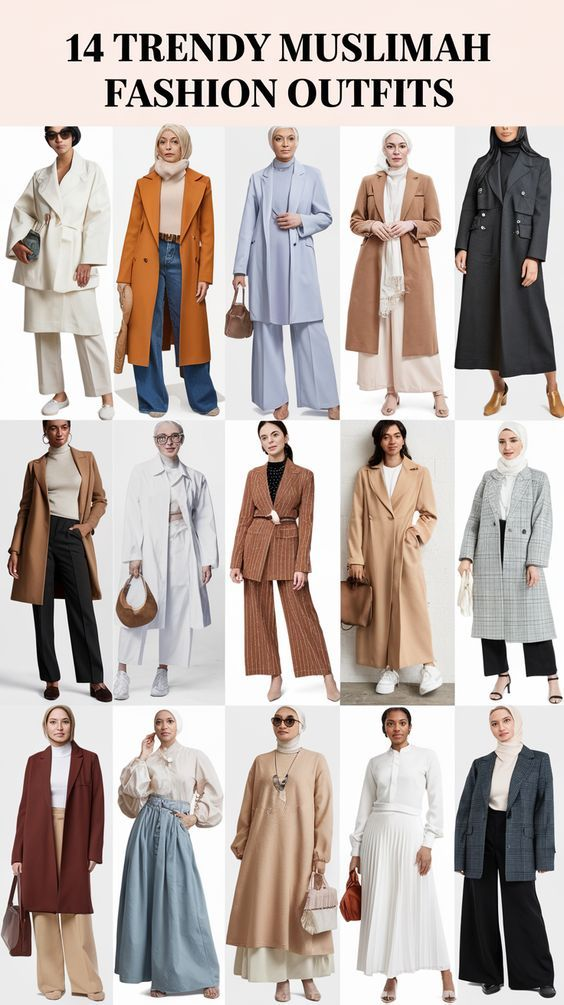

Introduction
Islamic Fashion has become a significant part of the global fashion industry, combining modesty, elegance, and personal expression. It allows Muslim men and women to dress according to Islamic values while embracing contemporary styles and trends. Over the years, Islamic Fashion has evolved into a diverse and creative movement that caters to different cultures, preferences, and lifestyles.
Today, Islamic Fashion is not limited to traditional clothing. Designers around the world are creating modern garments that respect modesty while offering comfort, sophistication, and style. From modest dresses and abayas to hijabs, tunics, and loose-fitting outfits, Islamic Fashion provides countless options for individuals seeking both faith-based clothing and fashionable appearances.
Many people believe that modest clothing limits personal style, but Islamic Fashion proves otherwise. With the right wardrobe choices, colors, fabrics, and accessories, individuals can create elegant and trendy looks without compromising modesty. Whether for daily wear, work, special occasions, or religious gatherings, Islamic Fashion offers practical and stylish solutions.
This guide explores everything you need to know about Islamic Fashion, including its importance, benefits, styling techniques, common mistakes, and expert advice for building a modest and fashionable wardrobe.
What is Islamic Fashion?
Islamic Fashion refers to clothing styles that follow Islamic principles of modesty while incorporating modern fashion trends and personal preferences.
The key characteristics of Islamic Fashion include:
- Modest coverage
- Loose-fitting garments
- Comfortable fabrics
- Elegant designs
- Appropriate styling
- Cultural diversity
Common examples of Islamic Fashion include:
- Abayas
- Hijabs
- Jilbabs
- Kaftans
- Long dresses
- Tunics
- Wide-leg trousers
- Modest skirts
- Long coats
Islamic Fashion focuses on maintaining dignity, modesty, and respect while allowing individuals to express their unique style.
Why is Islamic Fashion Important?
Islamic Fashion is important because it helps individuals maintain their religious values while participating confidently in modern society.
It promotes modesty, which is a fundamental principle in Islam. Modest clothing encourages respect, humility, and appropriate self-presentation.
Islamic Fashion also provides practical clothing options for everyday life, professional environments, social gatherings, and religious occasions.
Other reasons why Islamic Fashion is important include:
- Supports religious beliefs
- Encourages confidence
- Promotes cultural identity
- Offers comfort and practicality
- Provides fashionable modest clothing options
- Enhances personal style within Islamic guidelines
As the modest fashion industry continues to grow, Islamic Fashion is becoming more accessible and diverse than ever before.
Detailed Step-by-Step Guide
Step 1: Understand the Principles of Modesty
The foundation of Islamic Fashion is modesty.
Clothing should generally:
- Provide appropriate coverage
- Avoid excessive tightness
- Avoid transparent fabrics
- Maintain dignity and respect
Understanding these principles helps create a wardrobe that aligns with Islamic values.
Step 2: Build a Modest Wardrobe
Start with essential clothing pieces that can be mixed and matched.
Important wardrobe staples include:
- Long dresses
- Abayas
- Maxi skirts
- Long tunics
- Loose trousers
- Cardigans
- Modest tops
These versatile pieces form the foundation of Islamic Fashion.
Step 3: Choose Comfortable Fabrics
Fabric selection plays a major role in comfort and appearance.
Popular fabrics include:
- Cotton
- Linen
- Jersey
- Chiffon
- Crepe
- Viscose
Breathable materials are especially useful in warm climates.
Step 4: Select Appropriate Colors
Islamic Fashion does not restrict clothing to specific colors.
Popular choices include:
- Black
- Beige
- Navy
- Gray
- Olive
- Pastel shades
Neutral colors provide versatility, while brighter colors can add personality when styled modestly.
Step 5: Style the Hijab Thoughtfully
For women who wear the hijab, proper styling can enhance both comfort and appearance.
Consider:
- Comfortable fabrics
- Secure wrapping techniques
- Color coordination
- Practical everyday styles
A well-styled hijab can complete an elegant Islamic Fashion look.
Step 6: Add Modest Accessories
Accessories can elevate an outfit without compromising modesty.
Examples include:
- Watches
- Handbags
- Scarves
- Minimal jewelry
- Elegant footwear
Simple accessories often create the most sophisticated appearance.
Step 7: Adapt Fashion to Different Occasions
Islamic Fashion can be adapted for various settings.
Examples include:
- Casual daily wear
- Professional office attire
- Formal events
- Weddings
- Religious gatherings
Choosing suitable fabrics and styles helps maintain modesty while fitting the occasion.
Benefits of Islamic Fashion
- Promotes modesty and dignity
- Supports Islamic values
- Enhances self-confidence
- Offers comfort and practicality
- Encourages respectful self-presentation
- Suitable for various occasions
- Provides versatile wardrobe options
- Supports cultural and religious identity
- Allows personal style expression
- Continues to evolve with modern fashion trends
Disadvantages / Risks
- Limited availability in some regions
- High-quality modest clothing may be expensive
- Finding the right fit can sometimes be difficult
- Seasonal weather may require wardrobe adjustments
- Fashion trends may not always align with modesty requirements
- Some fabrics may require additional layering
Common Mistakes to Avoid
One common mistake is choosing clothing that is too tight. Even when garments provide full coverage, excessive tightness may reduce the modest appearance of an outfit.
Another mistake is wearing transparent fabrics without proper layering. Modesty often requires ensuring that clothing is not see-through.
Many people also overlook comfort when selecting clothing. Islamic Fashion should be both modest and practical for daily activities.
Poor color coordination can affect the overall appearance of an outfit. Choosing complementary colors creates a more polished look.
Over-accessorizing is another common mistake. Excessive accessories may distract from the elegance and simplicity associated with modest fashion.
Finally, blindly following trends without considering modesty principles can lead to wardrobe choices that do not align with the goals of Islamic Fashion.
FAQs
What is Islamic Fashion?
Islamic Fashion refers to clothing that follows Islamic principles of modesty while incorporating modern and stylish designs.
Can Islamic Fashion be fashionable?
Yes. Islamic Fashion combines modesty with contemporary trends, allowing individuals to dress stylishly while maintaining Islamic values.
Is black the only color used in Islamic Fashion?
No. Islamic Fashion includes a wide variety of colors, including neutral tones, pastels, and vibrant shades.
What fabrics are best for Islamic Fashion?
Cotton, linen, chiffon, jersey, and crepe are popular choices because they offer comfort and versatility.
Can Islamic Fashion be worn in professional settings?
Yes. Many modest clothing options are suitable for offices, business meetings, and professional environments.
Why is modesty important in Islamic Fashion?
Modesty is a core Islamic value that encourages respectful, dignified, and appropriate self-presentation.
Expert Tips & Bonus Points
Invest in timeless wardrobe essentials before purchasing trend-based items.
Focus on quality fabrics that provide comfort throughout the year.
Build a capsule wardrobe using versatile colors that can be mixed and matched easily.
Choose clothing that balances modesty, comfort, and personal style.
Use layering techniques to create fashionable and practical outfits.
Keep accessories simple and elegant for a polished appearance.
Stay informed about modest fashion trends while maintaining Islamic principles.
Regularly evaluate your wardrobe to ensure it remains functional and aligned with your lifestyle.
Conclusion
Islamic Fashion successfully combines faith, modesty, comfort, and style. It offers individuals the opportunity to express themselves through clothing while adhering to Islamic principles and values. As the global modest fashion industry continues to expand, more options are becoming available for people seeking elegant and practical wardrobe choices.
The beauty of Islamic Fashion lies in its versatility. From casual everyday outfits to professional attire and formal event wear, modest clothing can be adapted to suit virtually any occasion. By focusing on proper coverage, comfortable fabrics, thoughtful styling, and quality garments, individuals can create fashionable looks that reflect both personal taste and religious commitment.
Building a successful Islamic Fashion wardrobe does not require following every trend. Instead, it involves selecting timeless pieces, prioritizing comfort, and maintaining a balanced approach to style and modesty. With careful planning and smart wardrobe choices, anyone can enjoy the benefits of Islamic Fashion while presenting themselves with confidence and elegance.
Ultimately, Islamic Fashion is more than clothing. It is a reflection of values, identity, and personal expression that continues to inspire millions of people around the world.