
Introduction
Professional Clothing plays an important role in creating a positive impression in the workplace and professional environments. The way a person dresses can influence how colleagues, employers, clients, and business partners perceive their competence, confidence, and professionalism. While skills and experience remain essential for career growth, appearance often contributes to the first impression people form.
Professional Clothing is more than simply following a dress code. It reflects respect for the workplace, attention to detail, and an understanding of professional standards. Whether attending a job interview, working in an office, participating in business meetings, or networking at industry events, choosing appropriate clothing can help individuals feel more confident and prepared.
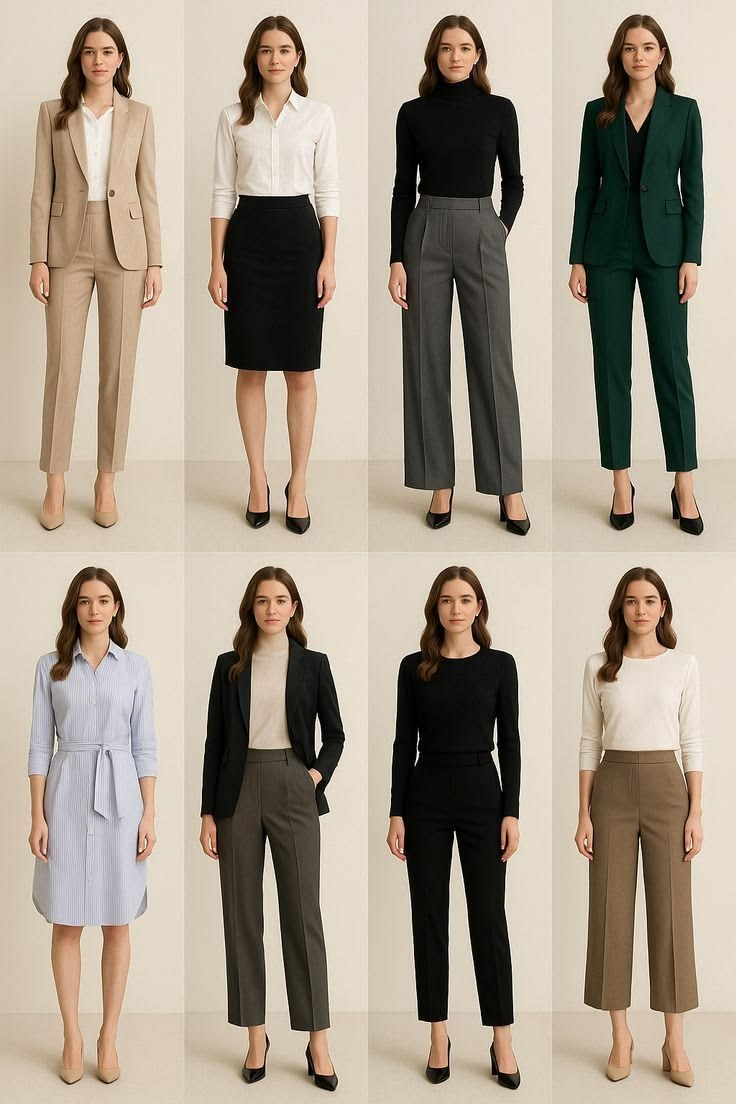
Modern workplaces may have different expectations regarding attire, but maintaining a professional appearance remains important across industries. Professional Clothing can include tailored suits, dress shirts, blouses, professional dresses, trousers, and carefully selected accessories that create a polished look.
This guide will explain everything you need to know about Professional Clothing, including its importance, benefits, styling strategies, common mistakes, and expert recommendations for building a professional wardrobe.
What is Professional Clothing?
Professional Clothing refers to attire that is appropriate for business, corporate, and workplace settings. It is designed to create a polished, respectable, and professional appearance.
Common examples of Professional Clothing include:
- Business suits
- Dress shirts
- Blouses
- Tailored trousers
- Professional dresses
- Pencil skirts
- Blazers
- Formal shoes
The exact requirements may vary depending on industry standards, company culture, and workplace policies.
The primary purpose of Professional Clothing is to present a confident and competent image while maintaining comfort and professionalism.
Why is Professional Clothing Important?
Professional Clothing helps create a strong first impression and demonstrates respect for workplace expectations.
Some key reasons why Professional Clothing is important include:
- Builds credibility
- Enhances confidence
- Improves professional image
- Demonstrates responsibility
- Creates workplace consistency
- Supports career advancement
- Encourages positive interactions
People who dress professionally often appear more organized, reliable, and prepared in business environments.
Detailed Step-by-Step Guide
Step 1: Understand Your Workplace Dress Code
Before purchasing Professional Clothing, learn about your organization’s dress expectations.
Common dress categories include:
- Business Formal
- Business Professional
- Business Casual
- Smart Casual
Understanding these categories helps ensure appropriate wardrobe choices.
Step 2: Build a Strong Foundation
Every professional wardrobe should include essential pieces.
Recommended basics include:
- Blazer
- Dress pants
- Professional shirts
- Neutral-colored skirts
- Formal shoes
- Professional handbag or briefcase
These items can be mixed and matched to create multiple outfits.
Step 3: Focus on Fit
The fit of Professional Clothing significantly affects overall appearance.
Properly fitted clothing should:
- Allow easy movement
- Look neat and structured
- Avoid excessive tightness
- Create a balanced silhouette
Professional tailoring can improve the appearance of almost any outfit.
Step 4: Choose Professional Colors
Neutral colors are commonly used in Professional Clothing.
Popular choices include:
- Black
- Navy
- Gray
- White
- Beige
- Charcoal
These colors project professionalism and versatility.
Step 5: Select Appropriate Footwear
Shoes are an important part of Professional Clothing.
Suitable options include:
- Leather shoes
- Loafers
- Closed-toe heels
- Dress flats
- Formal boots
Footwear should always be clean and well-maintained.
Step 6: Use Accessories Wisely
Accessories should enhance your appearance without becoming distracting.
Professional accessories include:
- Watches
- Belts
- Minimal jewelry
- Structured bags
- Simple scarves
Less is often more when it comes to workplace accessories.
Step 7: Maintain Proper Grooming
Professional Clothing works best when combined with good personal grooming.
Maintain:
- Neat hairstyles
- Clean nails
- Well-pressed clothing
- Polished shoes
- Professional presentation
Attention to detail creates a stronger professional image.
Benefits of Professional Clothing
- Creates positive first impressions
- Improves workplace confidence
- Enhances credibility
- Demonstrates professionalism
- Supports career growth
- Strengthens personal branding
- Encourages workplace respect
- Provides versatility for various events
- Reflects attention to detail
- Improves overall presentation
Disadvantages / Risks
- Quality clothing may require a larger investment
- Maintenance costs can increase
- Dry cleaning expenses may add up
- Some formal outfits may feel restrictive
- Trends can change over time
- Poor fit can reduce comfort
- Building a complete wardrobe requires planning
Common Mistakes to Avoid
One of the most common mistakes is wearing clothing that does not fit properly. Loose or overly tight garments can negatively impact a professional appearance.
Another mistake is ignoring workplace culture. While Professional Clothing generally follows standard guidelines, specific industries may have unique expectations.
Poor grooming can also reduce the effectiveness of an otherwise professional outfit. Wrinkled clothing, unpolished shoes, or messy hair can create a negative impression.
Many professionals make the mistake of wearing too many accessories. Excessive jewelry or flashy items may appear distracting in business settings.
Choosing inappropriate colors or patterns can also affect professionalism. Neutral and classic options generally work best.
Finally, neglecting clothing maintenance can shorten garment lifespan and reduce overall appearance.
FAQs
What is considered Professional Clothing?
Professional Clothing includes attire suitable for workplace environments such as suits, dress shirts, blouses, professional dresses, trousers, and formal shoes.
Why is Professional Clothing important?
Professional Clothing helps create a positive impression, enhances confidence, and demonstrates professionalism in business settings.
Can Professional Clothing improve career opportunities?
While skills remain essential, a professional appearance can positively influence workplace perception and credibility.
Which colors are best for Professional Clothing?
Neutral colors such as black, navy, gray, white, and beige are widely considered professional choices.
Is Professional Clothing required in every workplace?
Requirements vary by industry and company culture, but maintaining a professional appearance is beneficial in most workplaces.
How can I build a Professional Clothing wardrobe on a budget?
Start with essential items such as a blazer, dress pants, neutral shirts, and quality shoes. Expand gradually as needed.
Expert Tips & Bonus Points
Invest in timeless wardrobe staples before purchasing trendy pieces.
Choose quality fabrics that maintain their appearance over time.
Build a capsule wardrobe with interchangeable items for maximum versatility.
Keep clothing clean, pressed, and properly stored.
Prioritize fit over brand names. Well-fitted clothing often looks more professional than expensive but poorly fitting garments.
Replace worn-out items promptly to maintain a polished appearance.
Pay attention to posture and body language, as confidence complements Professional Clothing.
Conclusion
Professional Clothing remains an essential part of workplace success and personal branding. It communicates professionalism, confidence, reliability, and respect for workplace standards. Whether attending meetings, interviews, conferences, or daily office responsibilities, appropriate attire can positively influence how others perceive you.
Building a professional wardrobe does not require excessive spending or following every fashion trend. Instead, focus on quality basics, proper fit, neutral colors, and consistent grooming habits. By investing in versatile clothing pieces and maintaining a polished appearance, professionals can create a strong and lasting impression in any business environment.
The principles of Professional Clothing continue to evolve alongside modern workplace culture, but the core objective remains the same: presenting yourself as competent, prepared, and professional. Following the strategies outlined in this guide will help you develop a wardrobe that supports your career goals while enhancing confidence and workplace presence.