
Introduction
Fashion illustration is one of the most creative ways to express clothing ideas through art. A well-made fashion illustration casual wear sketch helps designers, students, and artists turn simple ideas into stylish visual concepts. From oversized hoodies to denim jackets and trendy sneakers, casual wear sketches capture everyday fashion in an artistic form.
Today, fashion illustration is no longer limited to professional designers. Beginners, fashion students, bloggers, and social media creators are also learning how to create stylish sketches for personal projects and online portfolios. With basic tools and practice, anyone can learn the art of sketching modern casual outfits.
A fashion illustration casual wear sketch focuses on comfortable and wearable clothing styles. Unlike formal fashion sketches, casual wear illustrations highlight relaxed outfits, simple silhouettes, and practical styling. These sketches often include jeans, t-shirts, skirts, joggers, jackets, and accessories that people wear daily.
Learning this skill can improve creativity and build confidence in fashion design. It also helps artists understand body proportions, clothing movement, and color combinations. Whether you want to become a designer or simply enjoy drawing fashion, mastering casual wear sketches is an exciting journey.
In this complete guide, you will learn the basics of fashion illustration, why casual wear sketches are important, step-by-step drawing methods, common mistakes, expert tips, and answers to frequently asked questions.
What is Fashion Illustration Casual Wear Sketch?
A fashion illustration casual wear sketch is a hand-drawn or digital representation of everyday clothing styles. It visually communicates outfit ideas before the actual clothing is produced. Designers use these sketches to experiment with colors, fabrics, shapes, and styling details.
Casual wear fashion illustration usually includes comfortable outfits such as:
- T-shirts
- Hoodies
- Jeans
- Joggers
- Denim jackets
- Sneakers
- Summer dresses
- Casual skirts
- Streetwear outfits
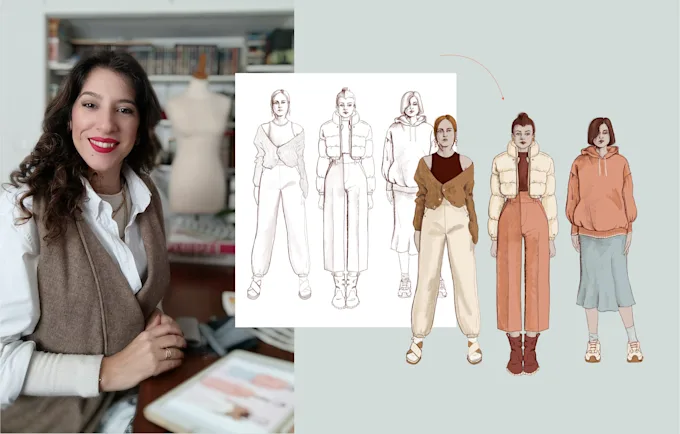
These sketches are created using fashion figures, often called croquis. A croquis is a simplified body template used to display clothing designs. Artists then add garments, textures, accessories, and shading to complete the look.
A fashion illustration casual wear sketch can be made using pencils, markers, watercolors, or digital software. Some artists prefer traditional sketchbooks, while others use tablets and design apps.
The main goal of fashion illustration is communication. Instead of explaining a design with words, artists show ideas visually. This process makes fashion concepts easier to understand and develop.
Why is Fashion Illustration Casual Wear Sketch Important?
Fashion illustration plays a major role in the fashion industry and creative education. Even simple casual wear sketches help artists communicate ideas clearly.
Helps Visualize Clothing Ideas
Before stitching any outfit, designers first sketch it. A fashion illustration casual wear sketch allows them to experiment with designs without wasting fabric or time.
Improves Creativity
Sketching different outfits encourages creative thinking. Artists learn how to combine colors, patterns, and clothing pieces in unique ways.
Builds Fashion Design Skills
Fashion illustration improves understanding of:
- Body proportions
- Clothing folds
- Fabric movement
- Styling techniques
- Color harmony
Useful for Portfolios
Fashion students and professionals use sketches to showcase their creativity in portfolios. Strong illustrations can impress clients, schools, and employers.
Supports Digital Fashion Content
Today, many influencers and fashion creators share fashion sketches online. Casual wear illustrations are popular on blogs, social media, and digital fashion pages.
Saves Time in Design Planning
Sketching ideas first reduces mistakes during clothing production. Designers can refine concepts before moving to manufacturing.
Detailed Step-by-Step Guide
Step 1: Gather Your Drawing Tools
Start with simple materials. Beginners do not need expensive supplies.
Basic tools include:
- Sketchbook
- HB and 2B pencils
- Eraser
- Black fineliner
- Colored pencils or markers
- Ruler
- Blending tools
Digital artists can use tablets and drawing applications for fashion illustration.
Step 2: Learn Fashion Figure Proportions
Fashion figures are usually taller than normal human proportions. Most fashion illustrations use an elongated body structure to make clothing look stylish.
A basic croquis includes:
- Head
- Neck
- Shoulders
- Waist
- Hips
- Legs
- Feet
Practice drawing straight body poses before adding clothing.
Step 3: Sketch Basic Body Poses
Body posture affects how clothing appears. Start with relaxed and natural poses suitable for casual wear.
Examples include:
- Standing pose
- Walking pose
- Cross-leg pose
- Hand-in-pocket pose
- Sitting pose
Use light pencil strokes so corrections are easy.
Step 4: Draw the Outfit Shape
Now sketch the clothing silhouette over the figure. Begin with loose outlines instead of details.
For example:
- Draw oversized hoodies with soft shapes
- Sketch jeans with tapered leg lines
- Create flowing skirts using curved lines
Focus on outfit balance and proportions.
Step 5: Add Clothing Details
Details make a fashion illustration casual wear sketch more realistic.
Add elements such as:
- Zippers
- Pockets
- Buttons
- Stitching
- Sleeves
- Folds
- Drawstrings
Small details improve the overall professional appearance.
Step 6: Understand Fabric Movement
Different fabrics create different folds and textures.
Examples:
- Denim appears structured
- Cotton creates soft folds
- Silk flows smoothly
- Knitwear stretches naturally
Study real clothing references to understand fabric behavior.
Step 7: Add Accessories
Accessories complete the fashion look.
Popular casual accessories include:
- Sneakers
- Caps
- Tote bags
- Sunglasses
- Watches
- Scarves
- Backpacks
Accessories help define personality and style.
Step 8: Apply Shading and Texture
Shading adds depth to sketches.
Use darker tones around:
- Folds
- Underarms
- Necklines
- Side seams
- Overlapping fabric areas
Light blending creates smoother illustrations.
Step 9: Add Color Carefully
Color selection is important in fashion illustration.
Casual wear often uses:
- Neutral tones
- Pastel shades
- Earth colors
- Denim blue
- Black and white combinations
Avoid over-coloring the sketch. Keep the illustration clean and balanced.
Step 10: Finalize the Illustration

Outline important areas using a fineliner or darker pencil. Remove unnecessary sketch marks and improve overall neatness.
Review your fashion illustration casual wear sketch carefully before considering it complete.
Benefits of Fashion Illustration Casual Wear Sketch
Learning fashion illustration offers many personal and professional advantages.
- Improves artistic confidence
- Helps communicate fashion ideas clearly
- Builds strong observation skills
- Enhances creativity and imagination
- Develops understanding of fabric movement
- Supports fashion design careers
- Useful for social media content creation
- Helps create professional portfolios
- Encourages personal style exploration
- Allows quick experimentation with outfit concepts
- Useful for freelance design projects
- Improves hand-eye coordination
Disadvantages / Risks
Although fashion illustration is rewarding, beginners may face certain challenges.
- Learning body proportions can take time
- Poor shading may reduce sketch quality
- Digital tools can be expensive
- Beginners may struggle with fabric textures
- Over-detailing can make sketches messy
- Lack of practice slows improvement
- Comparing your work with professionals may reduce motivation
- Incorrect anatomy can affect outfit balance
- Complex poses may frustrate new artists
- Inconsistent practice limits progress
Understanding these challenges helps artists improve more effectively.
Common Mistakes to Avoid
Many beginners repeat similar mistakes while creating fashion illustrations. Avoiding them can improve your sketches quickly.
Ignoring Body Proportions
Incorrect body measurements make clothing look unrealistic. Practice fashion croquis regularly.
Using Too Many Details
Overcrowding the sketch with unnecessary details can make the drawing look confusing.
Poor Fabric Understanding
Different fabrics behave differently. Study real clothing to improve fabric rendering.
Overusing Dark Lines
Heavy outlines can make sketches appear stiff. Use soft sketching techniques first.
Skipping Practice
Fashion illustration requires regular improvement. Daily practice strengthens confidence and accuracy.
Choosing Unbalanced Colors
Using too many bright colors together may distract from the outfit design.
Forgetting Accessories
Accessories often complete the overall casual look. Missing them may make sketches feel incomplete.
Copying Without Learning
Using references is helpful, but blindly copying limits creativity. Focus on understanding shapes and styling.
FAQs
What is the best way to start fashion illustration?
The best way to begin is by practicing simple body figures and basic outfit shapes. Start with easy casual wear designs before attempting advanced fashion concepts.
Do I need expensive tools for fashion illustration?
No. Beginners can start with pencils, paper, erasers, and colored pencils. Professional tools can be added later as skills improve.
How long does it take to learn fashion illustration?
Learning speed depends on practice consistency. Basic skills may develop within a few months, while advanced illustration techniques can take years to master.
Can I create fashion illustration casual wear sketch digitally?
Yes. Many artists use tablets and design software for digital fashion illustration. Digital tools offer flexible editing and coloring options.
Why are fashion figures taller than normal people?
Fashion figures are intentionally elongated to make clothing appear elegant and visually appealing. This style is common in professional fashion illustration.
Which fabrics are easiest for beginners to sketch?
Cotton and denim are usually easier because their folds are more visible and structured compared to delicate fabrics like silk.
How can I improve my shading skills?
Practice observing shadows on real clothing. Start with light shading and gradually add darker areas where fabric overlaps.
Is fashion illustration only for designers?
No. Fashion illustration is also popular among hobby artists, bloggers, students, and content creators who enjoy drawing fashion concepts.
Expert Tips & Bonus Points
Improving fashion illustration requires patience and smart practice methods. These expert tips can help beginners grow faster.
Study Real Clothing
Observe how clothes fit on real people. Notice folds, stitching, wrinkles, and fabric weight.
Build a Reference Collection
Save images of casual outfits, shoes, and accessories for inspiration.
Practice Quick Sketches Daily
Short practice sessions improve hand movement and confidence.
Learn Color Theory
Understanding complementary and neutral colors helps create visually attractive outfit combinations.
Focus on One Style at a Time
Master casual wear first before moving to luxury or haute couture fashion illustration.
Experiment with Different Art Styles
Try watercolor, markers, ink, and digital techniques to discover your favorite style.
Keep Your Sketchbook Organized
Date your sketches and review older work regularly to track improvement.
Follow Fashion Trends
Modern casual wear changes frequently. Observing current trends helps create relevant illustrations.
Practice Hands and Feet Separately
These body parts are challenging for beginners. Dedicated practice improves figure quality.
Use Layering Techniques
Layered clothing makes casual fashion sketches appear more realistic and stylish.
Conclusion
Fashion illustration is a creative skill that combines art, style, and imagination. A fashion illustration casual wear sketch allows artists to transform everyday outfit ideas into visually appealing designs. From hoodies and jeans to sneakers and layered streetwear, casual fashion illustration captures modern clothing in an expressive and artistic way.
For beginners, learning fashion illustration may feel challenging at first. However, with consistent practice and careful observation, improvement becomes noticeable over time. Understanding body proportions, fabric movement, shading, and color balance helps create more professional sketches.
One of the biggest advantages of casual wear illustration is flexibility. Artists can experiment freely with trends, personal style, and outfit combinations. Whether using pencils or digital tools, the process encourages creativity and artistic growth.
Fashion illustration is not limited to professional designers. Students, hobby artists, influencers, and fashion lovers can all enjoy this rewarding activity. Building strong sketching skills can also support portfolios, social media content, and future career opportunities.
Most importantly, practice remains the key to success. Every sketch teaches something new about fashion, design, and artistic expression. By studying real clothing, avoiding common mistakes, and applying expert techniques, anyone can improve their fashion illustration abilities.
A well-crafted fashion illustration casual wear sketch is more than just a drawing. It is a visual story that reflects personality, creativity, and modern fashion culture.